
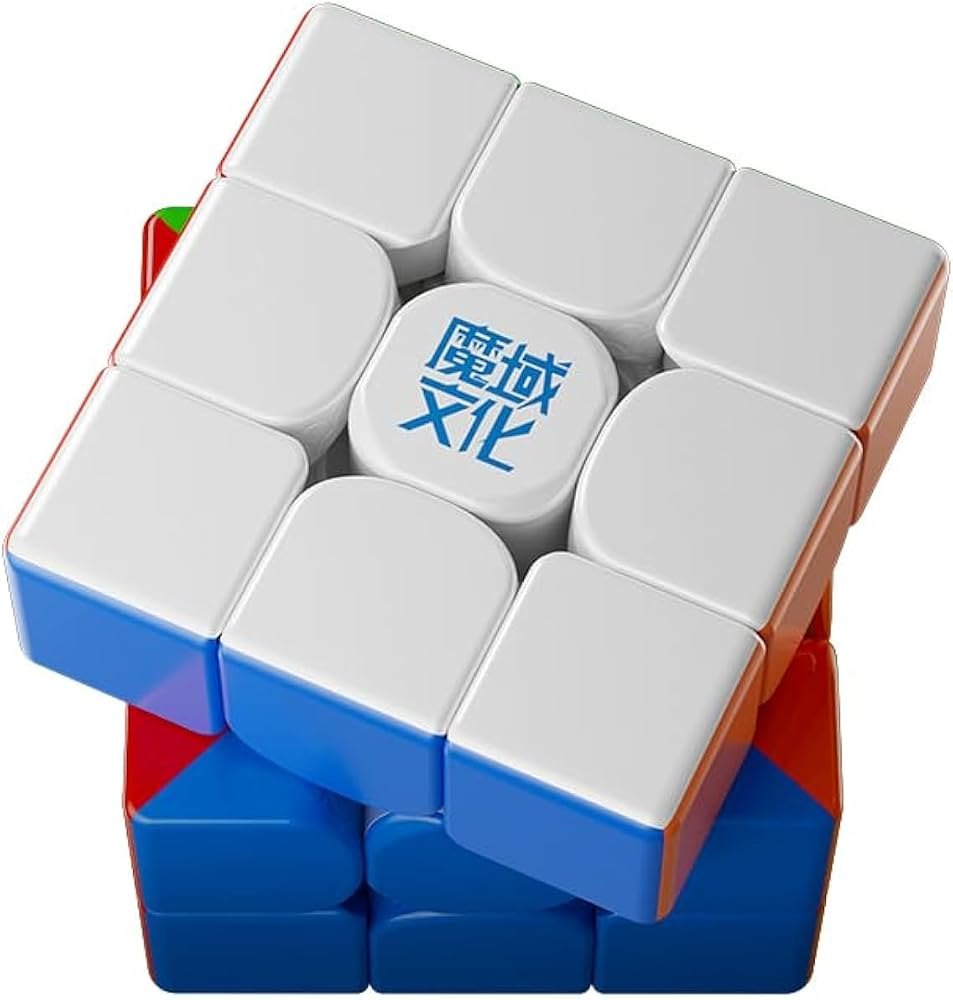
64 cubes · 7 benches
MoYu Cube: the turn room
This is the turn room. I keep every MoYu cube I can get my hands on laid out on benches here, the way a cuber actually shops — by what the puzzle has to do, not by what the box shouts. MoYu Culture has been making speed cubes in Guangzhou since 2008, and the catalogue has grown into something genuinely hard to read: four flagship 3×3 families, a budget line that quietly outperforms cubes twice its price, big cubes up to 15×15, and three different ways of putting magnets in a core. I sort it so you can see the shape of it.
Nothing here is a review score I made up. Each cube profile carries the real specification — layer count, magnet count, whether the core is ball-core, whether the plastic is UV coated, whether the magnets float on MagLev springs — plus the live price and stock from the brand store. When you are ready to buy, the stamp on the card takes you to that cube's listing in the store. I do not sell anything in this room. I just keep it tidy.
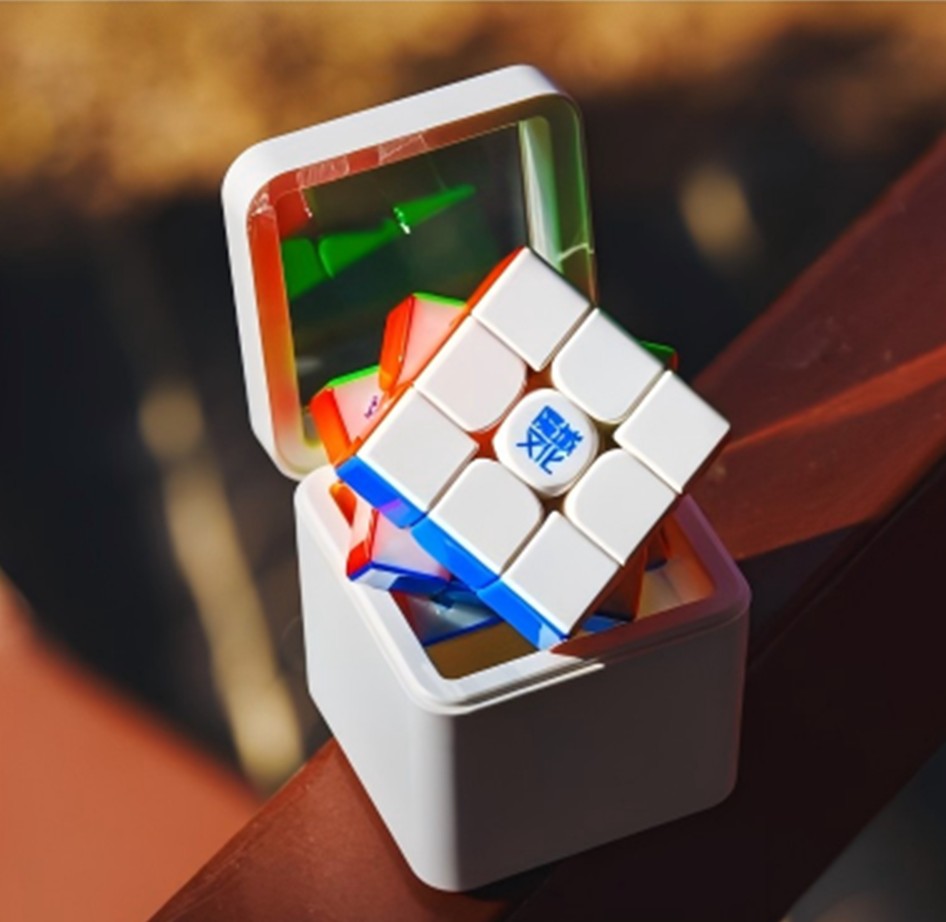
Seven benches, sorted by what the puzzle is for
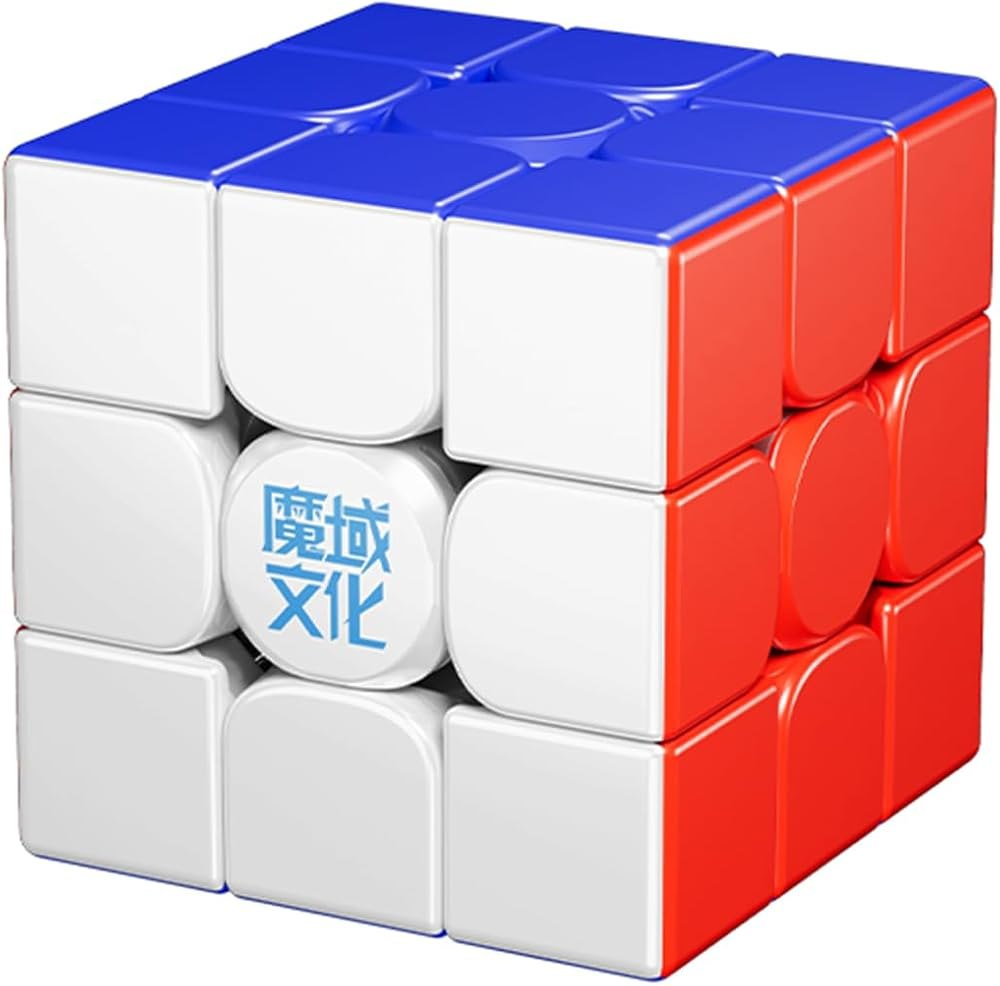
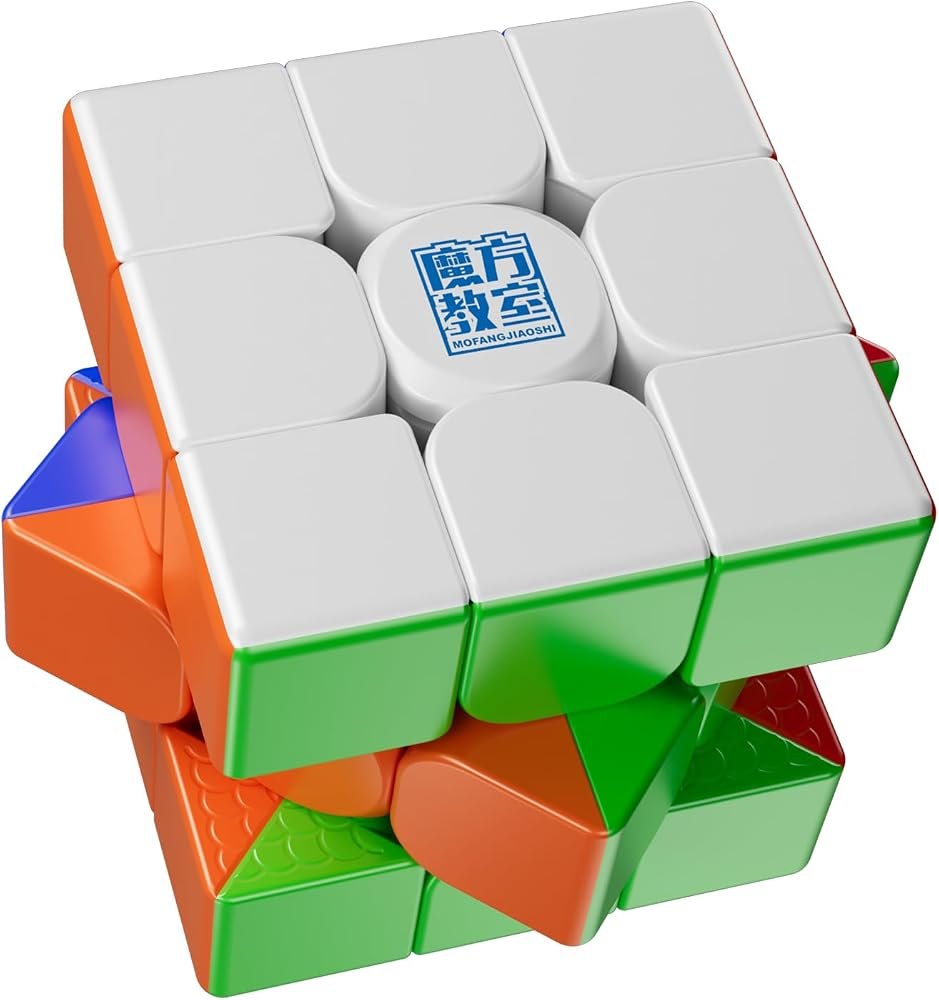
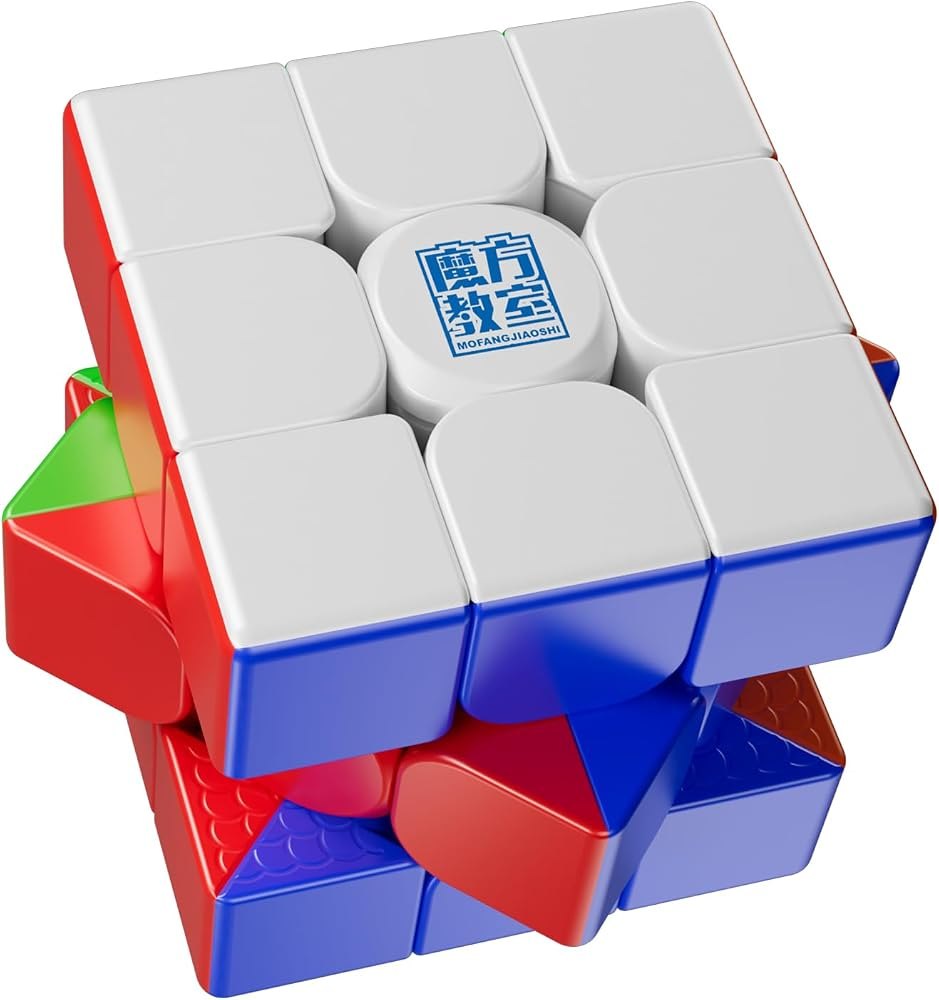
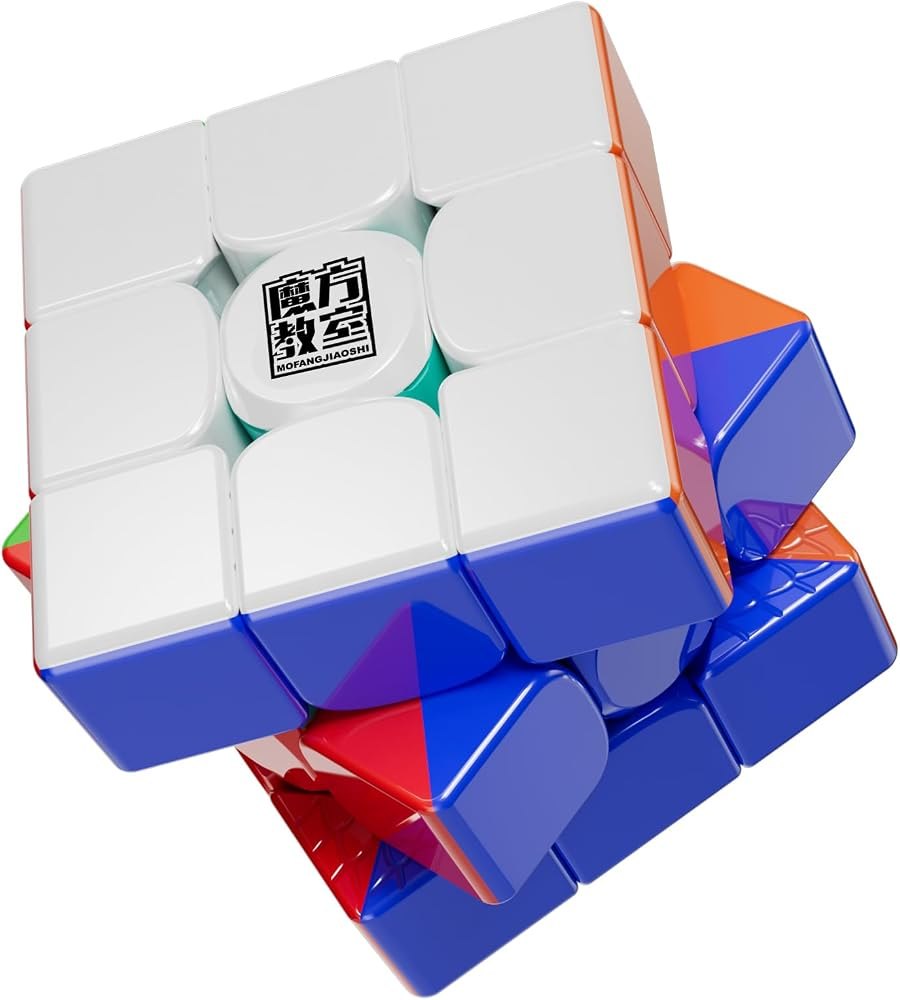
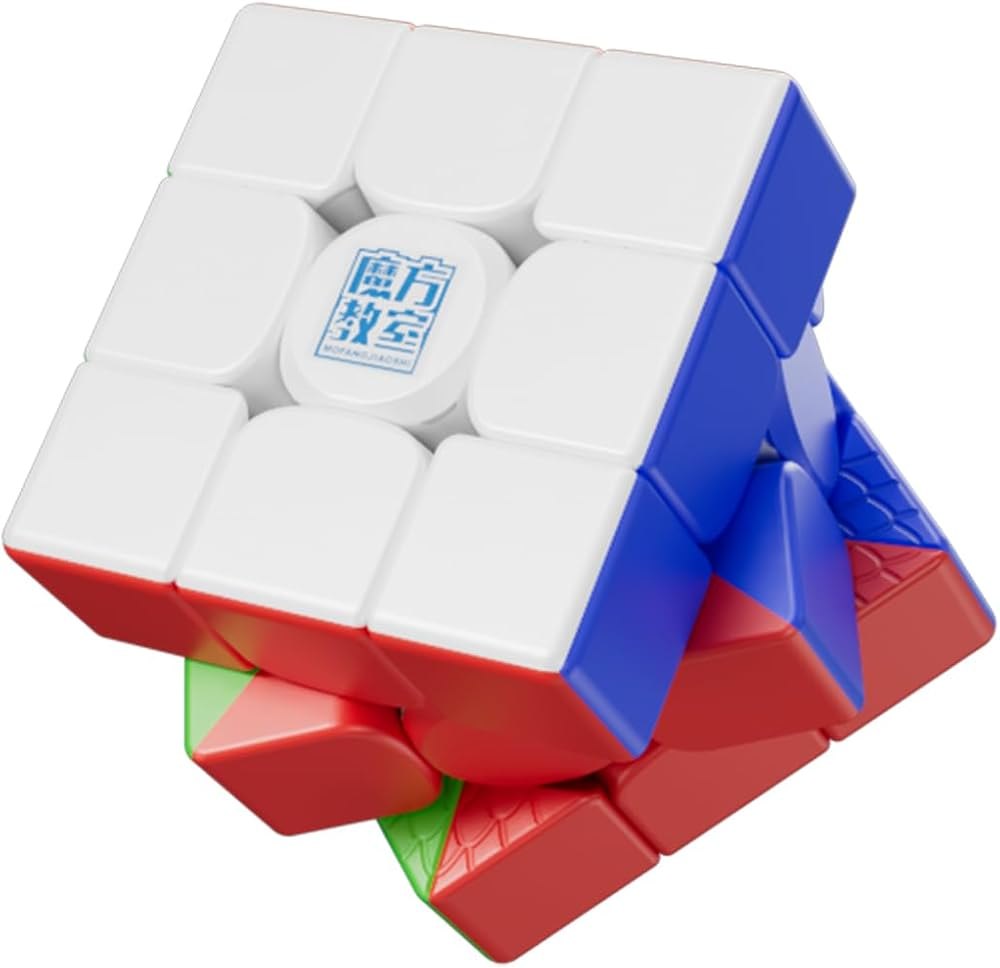
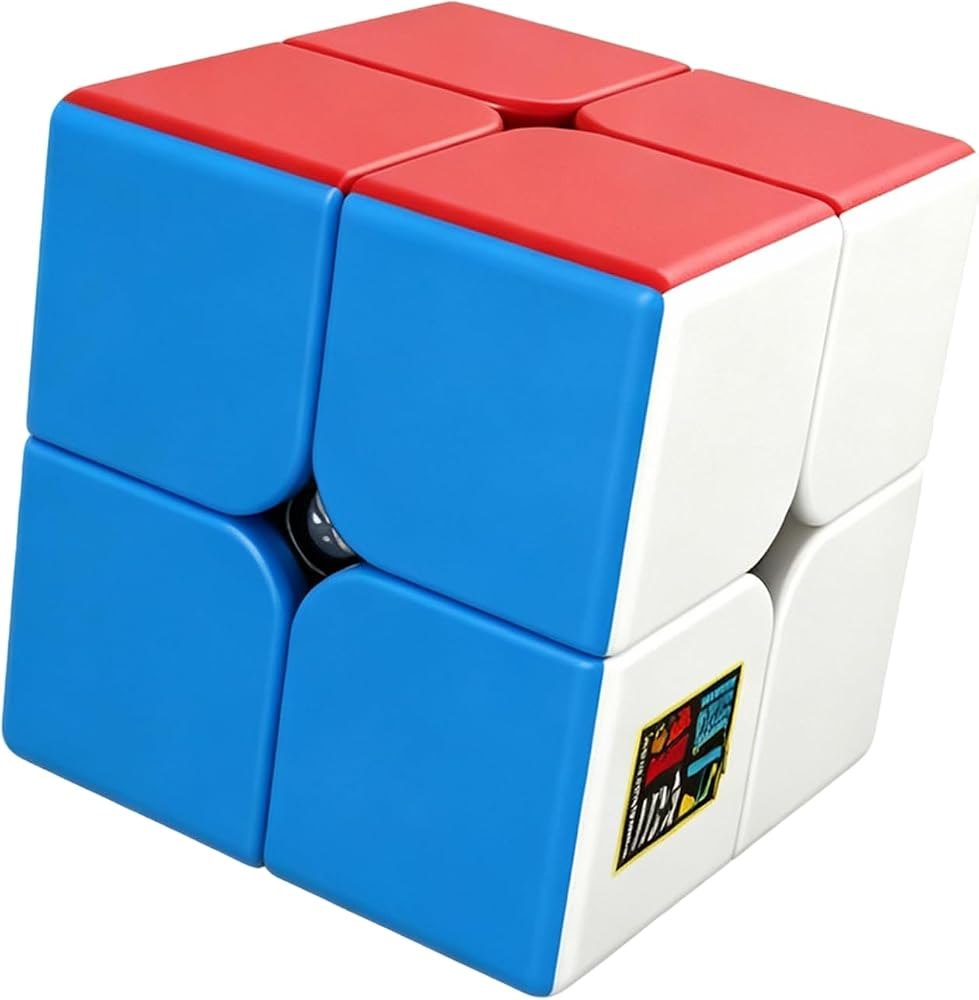
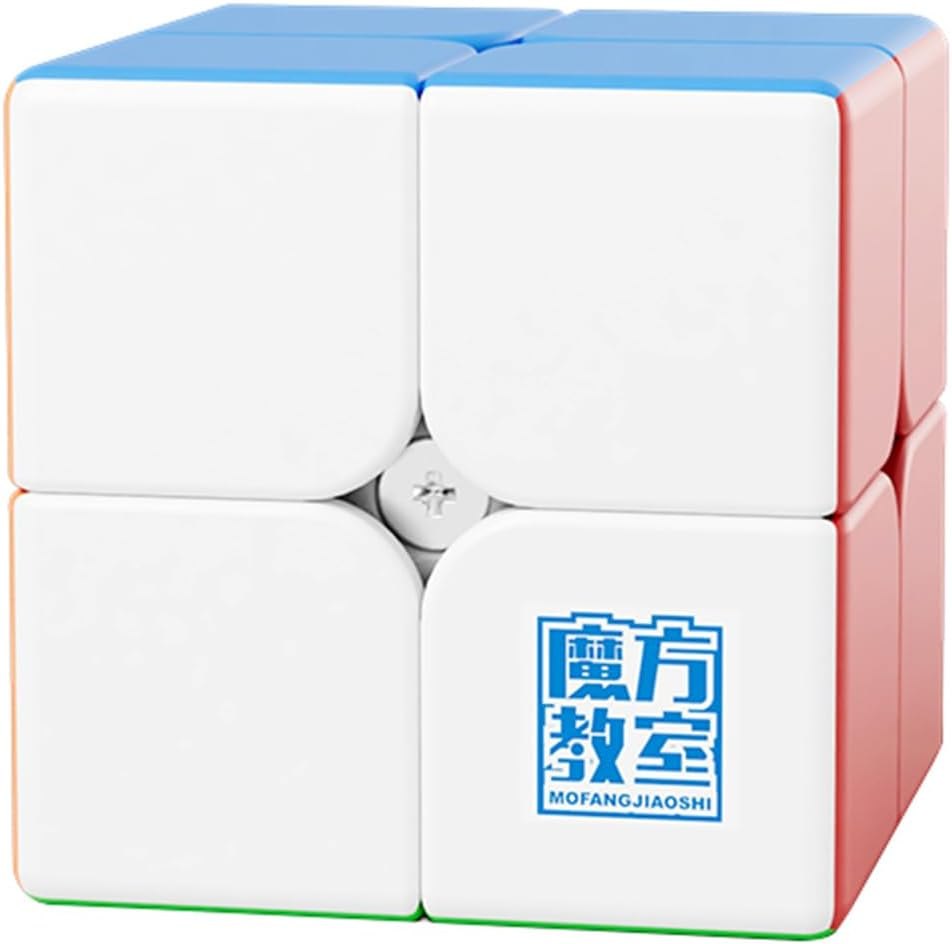
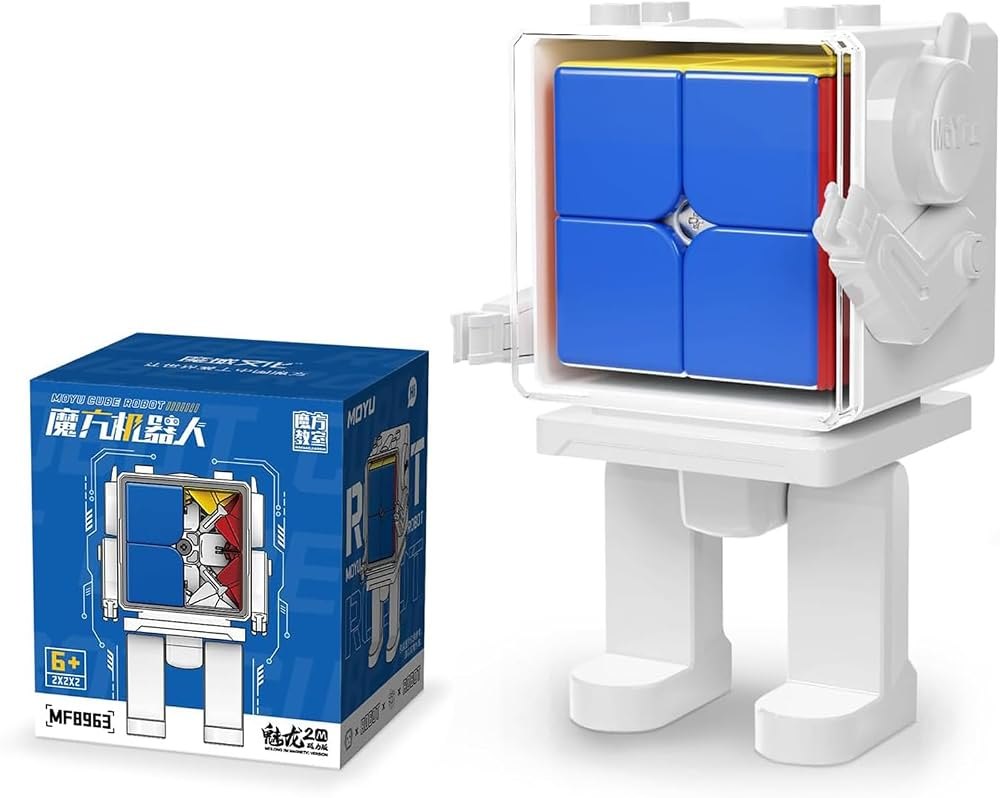
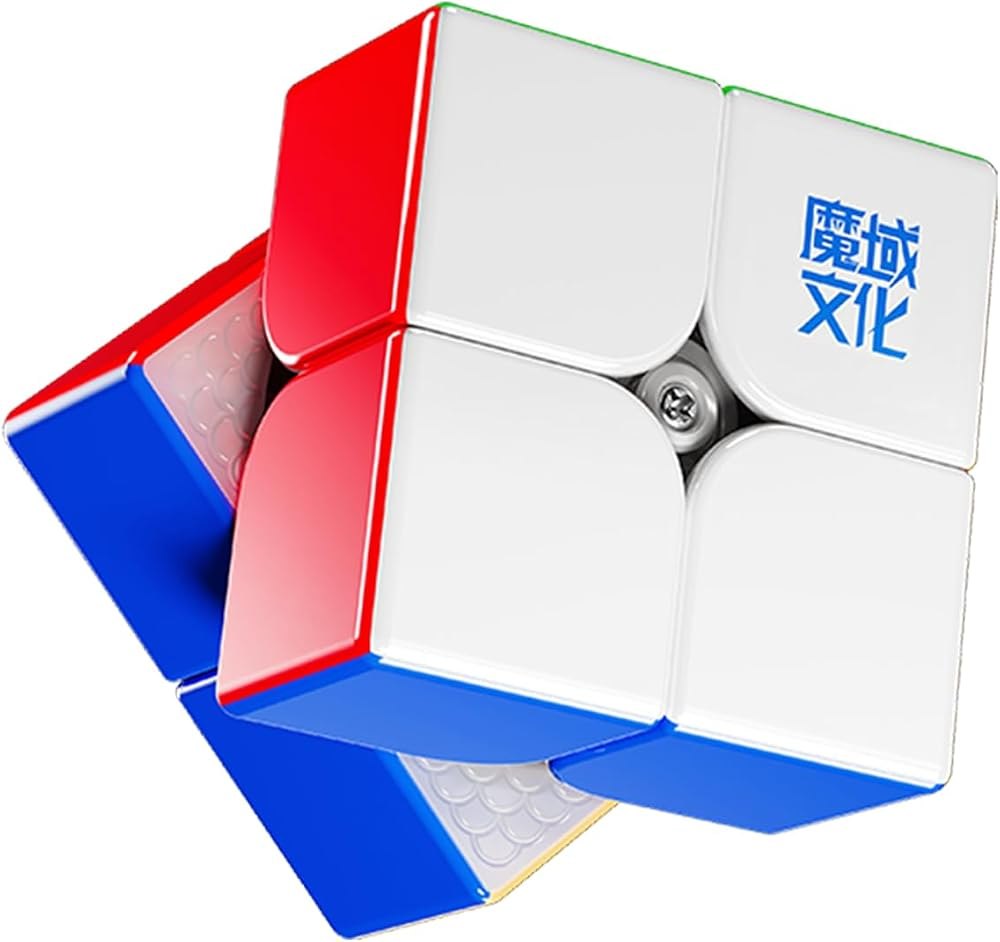
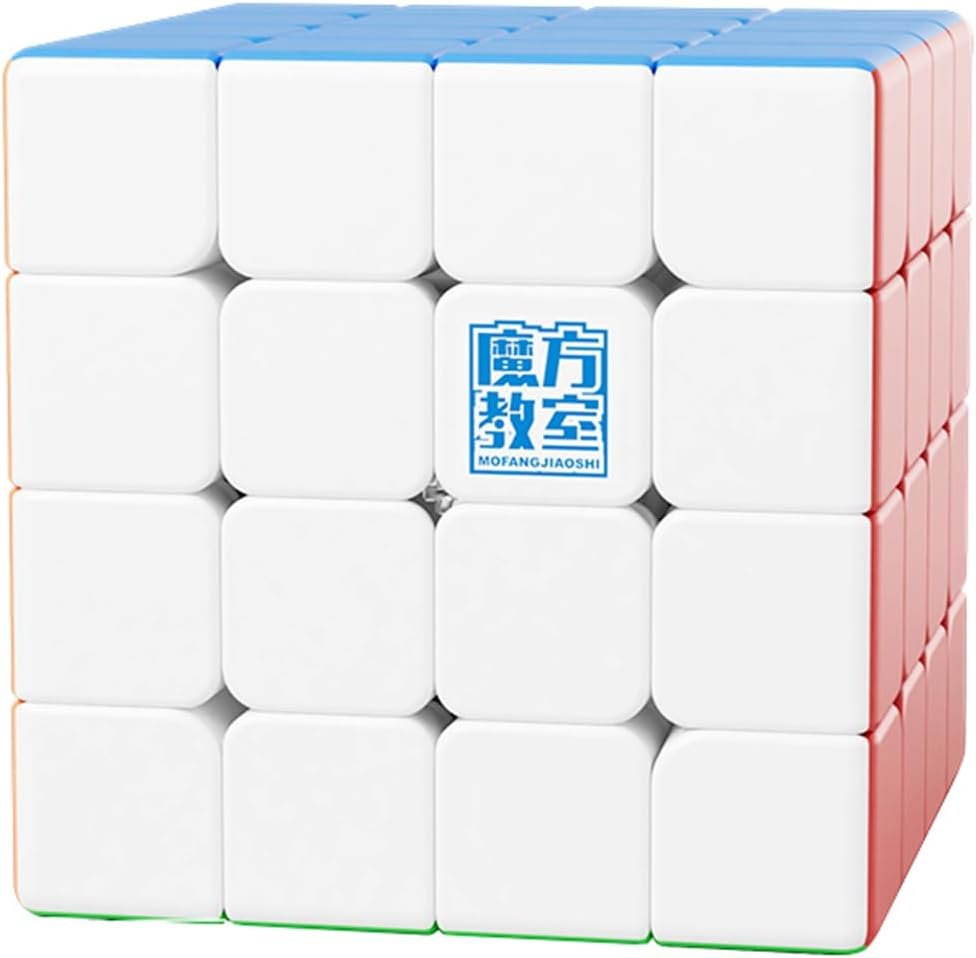
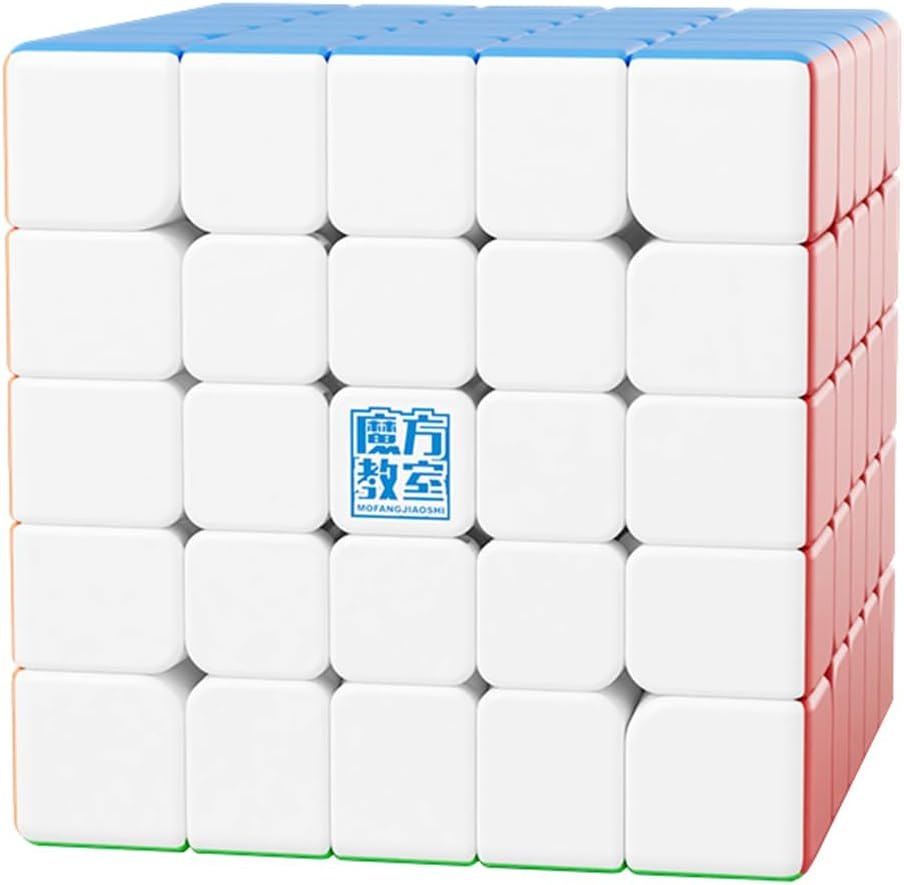
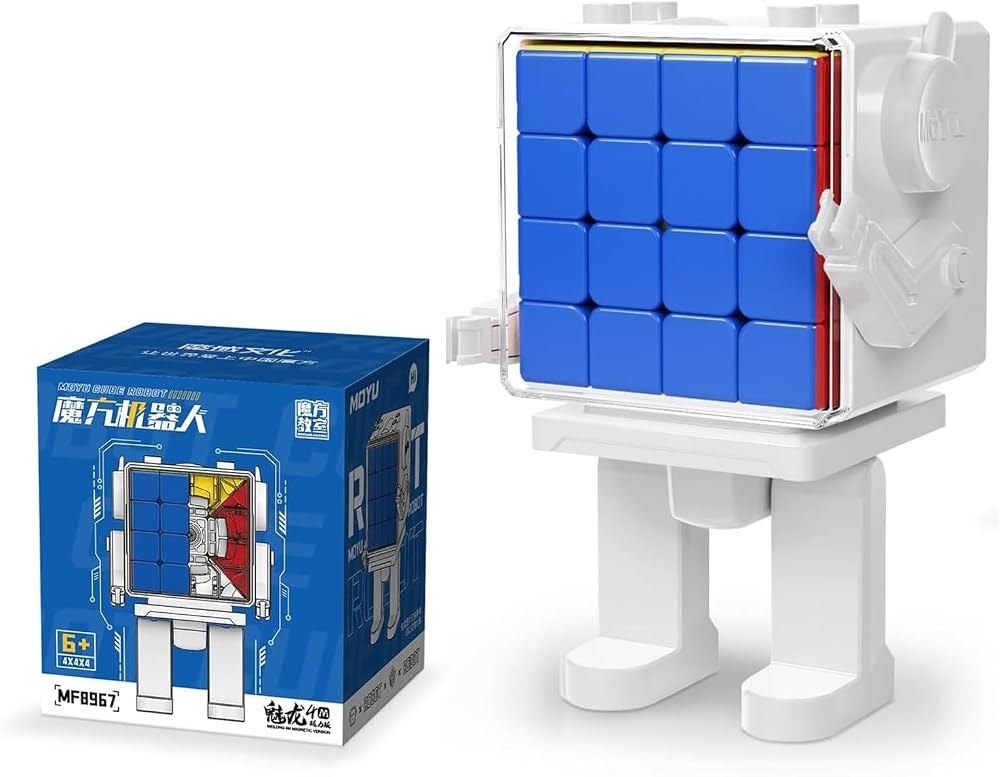
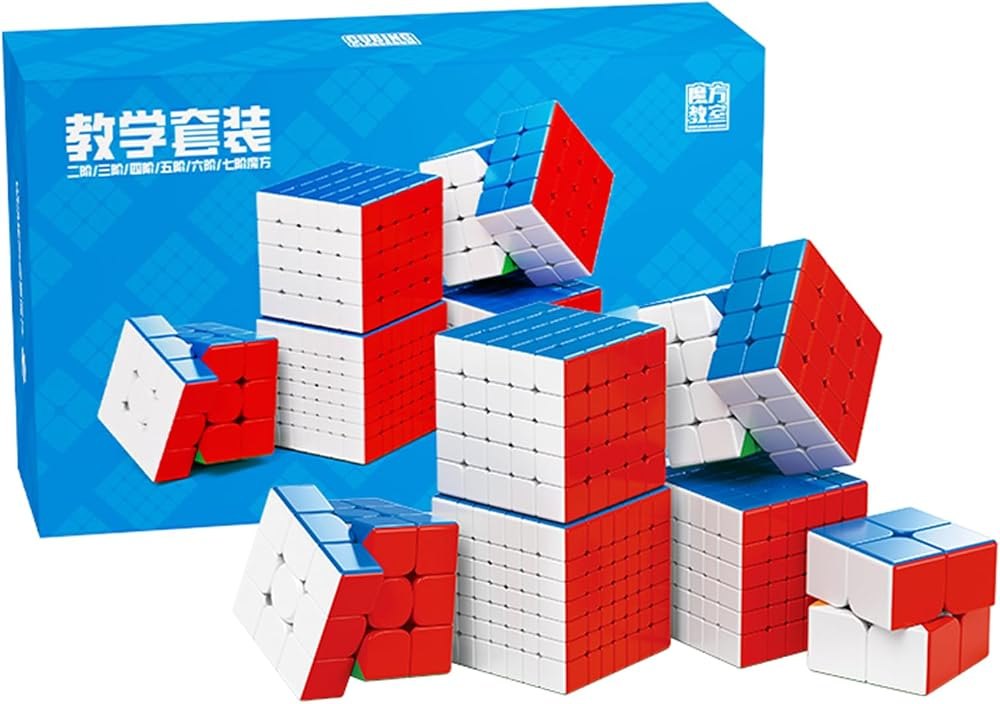
How to choose a MoYu cube
Start with the layer count, not the brand name
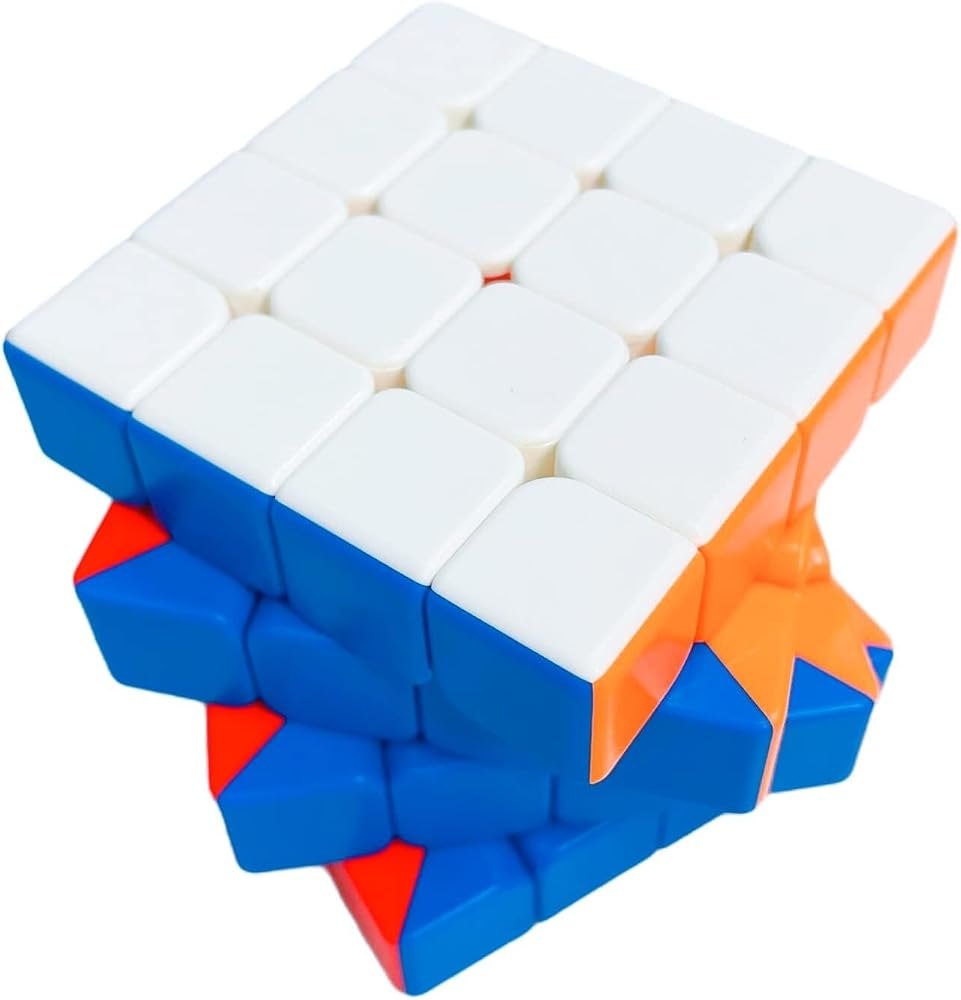
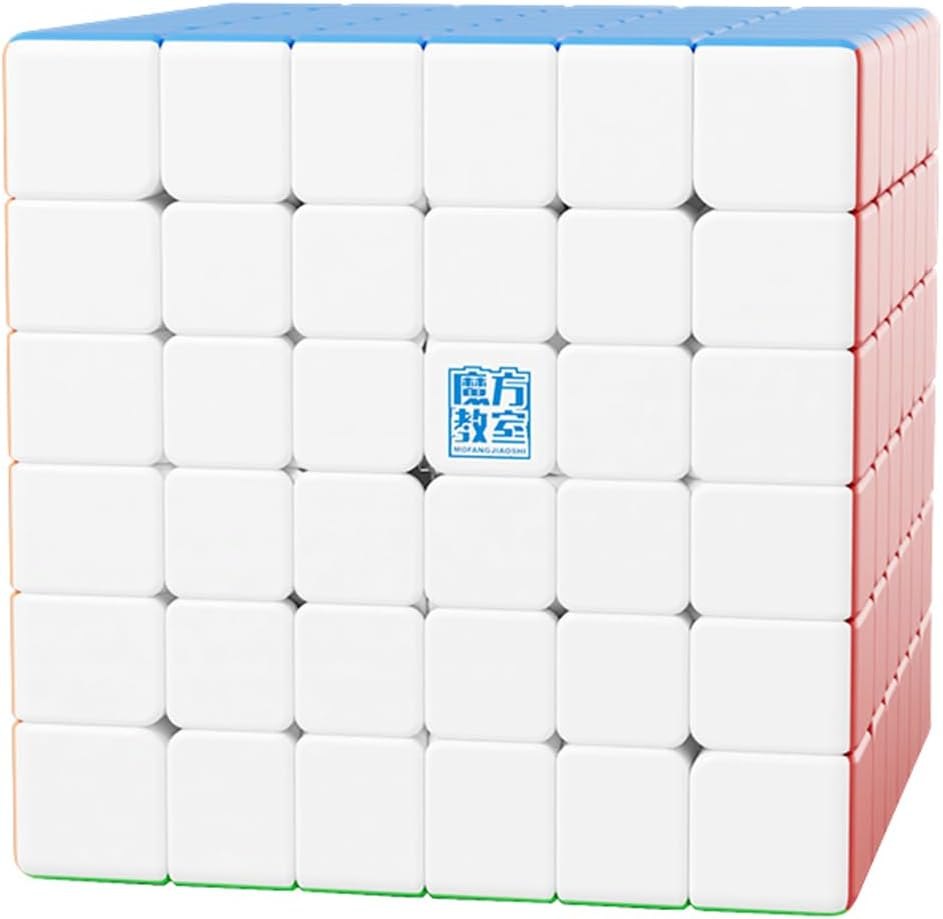
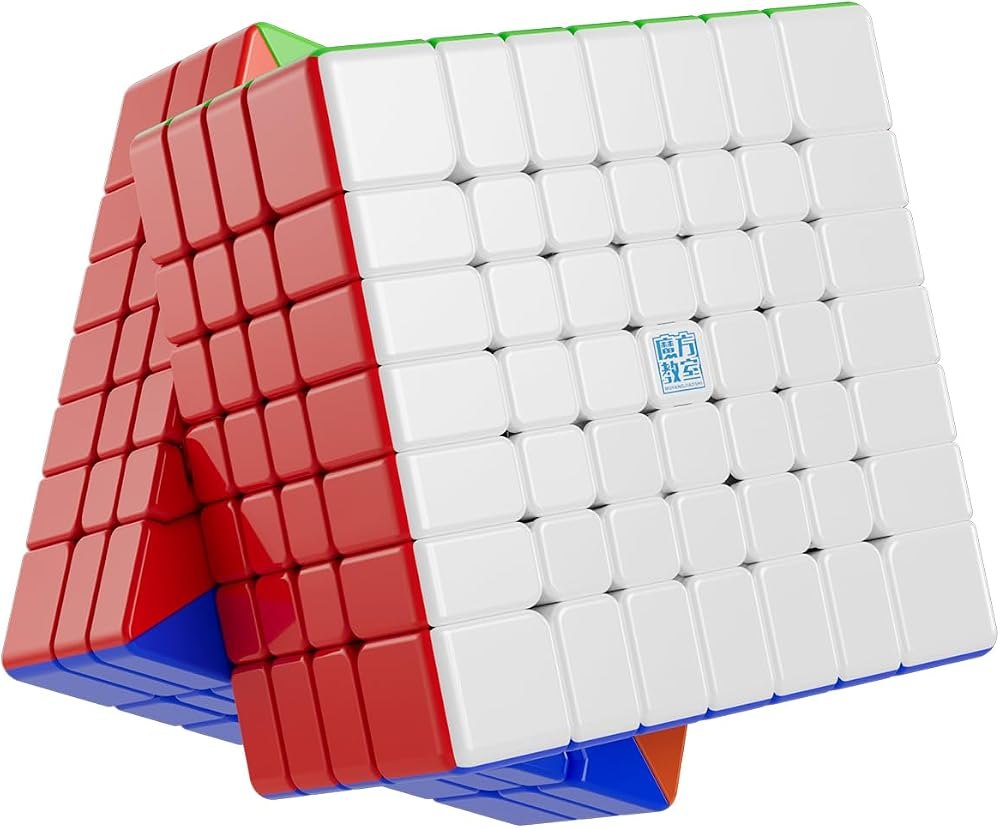
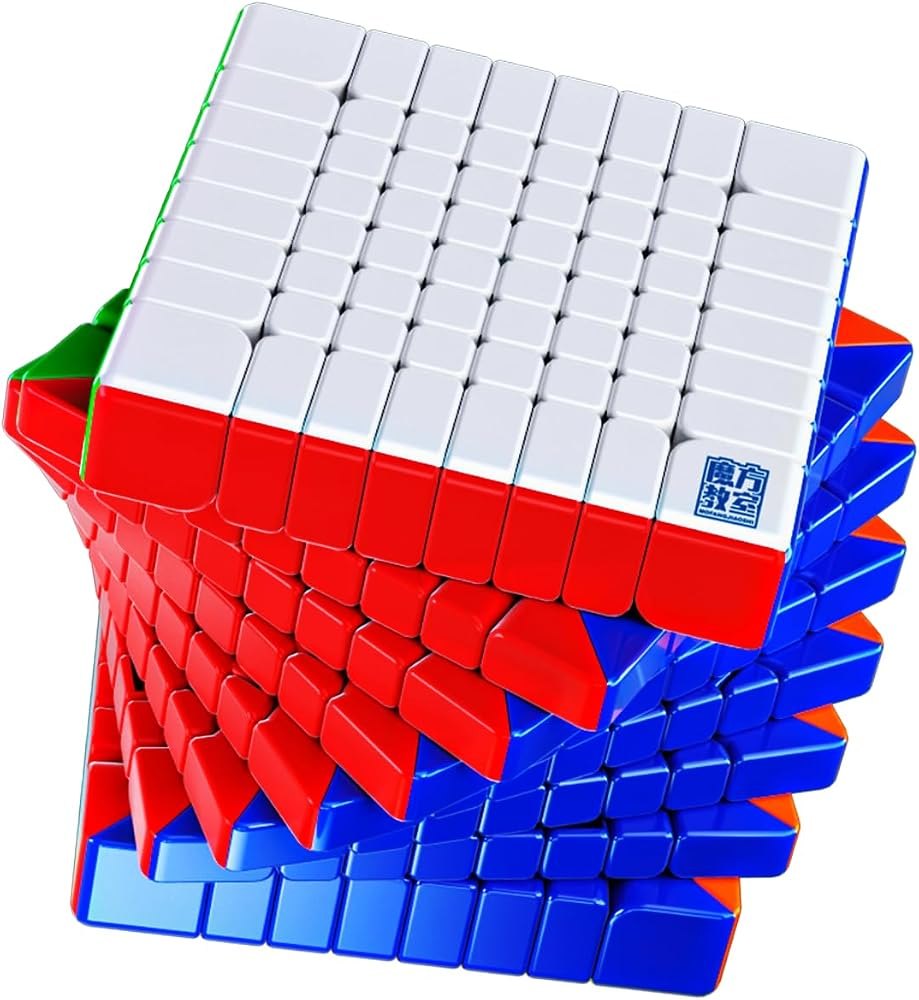
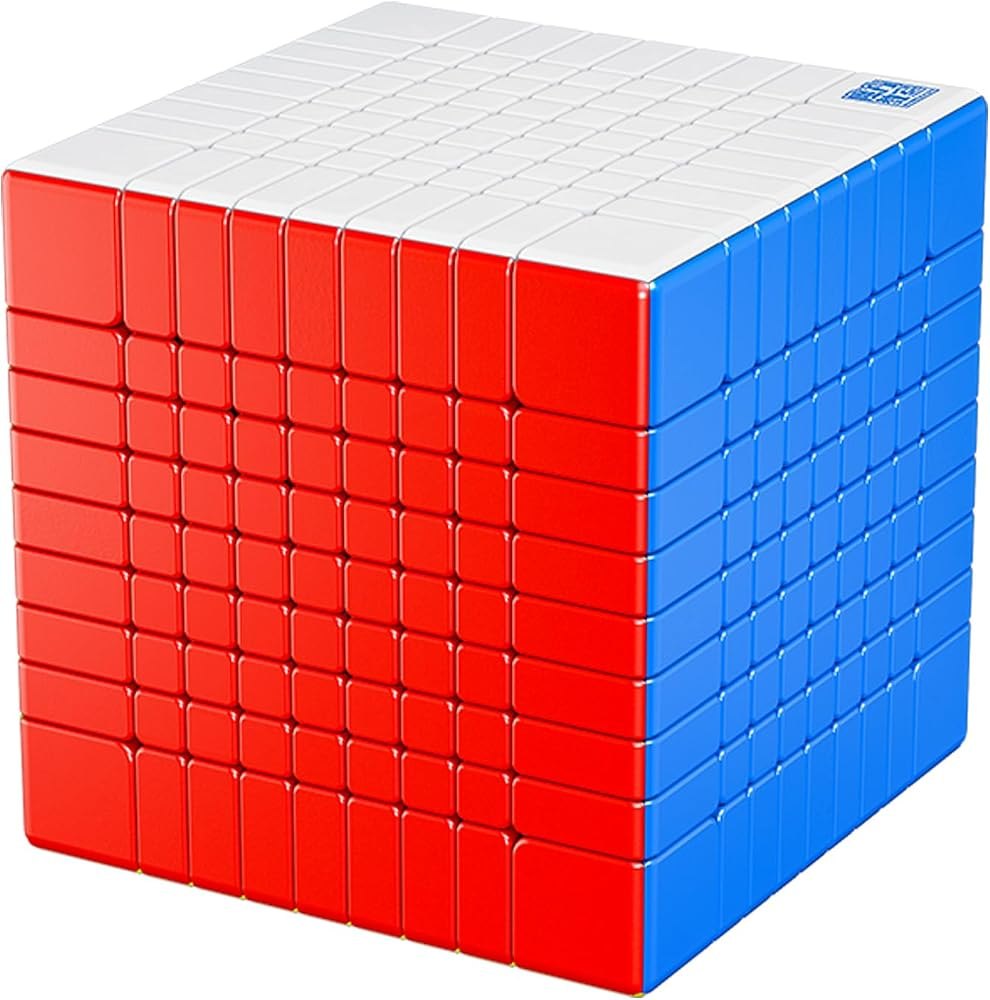
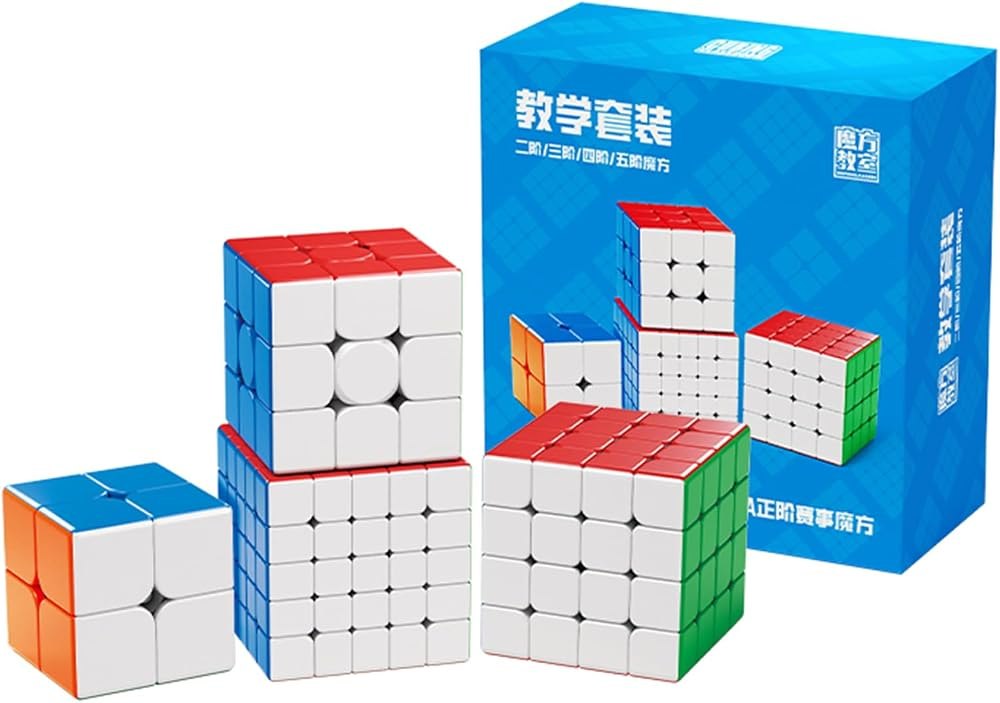
A speed cube is chosen by the puzzle you want to solve. If you are solving a standard 3×3 and chasing a faster time, you want the flagship bench — the WeiLong and AoLong families, where MoYu puts its newest magnet technology first. If you are learning, or buying for someone who is learning, the everyday bench is the right room: the RS3M and MeiLong 3M lines turn well straight out of the box and cost a fraction of a flagship. 2×2 is its own discipline and rewards a cube with tight corner cutting rather than heavy magnets. 4×4 and 5×5 are where magnet count starts to matter more than feel, because misaligned inner layers are what actually lose you time. Anything 6×6 and bigger is a different hobby again — those are patience puzzles, and weight matters more than speed.
Magnets, ball-core and MagLev, in plain words
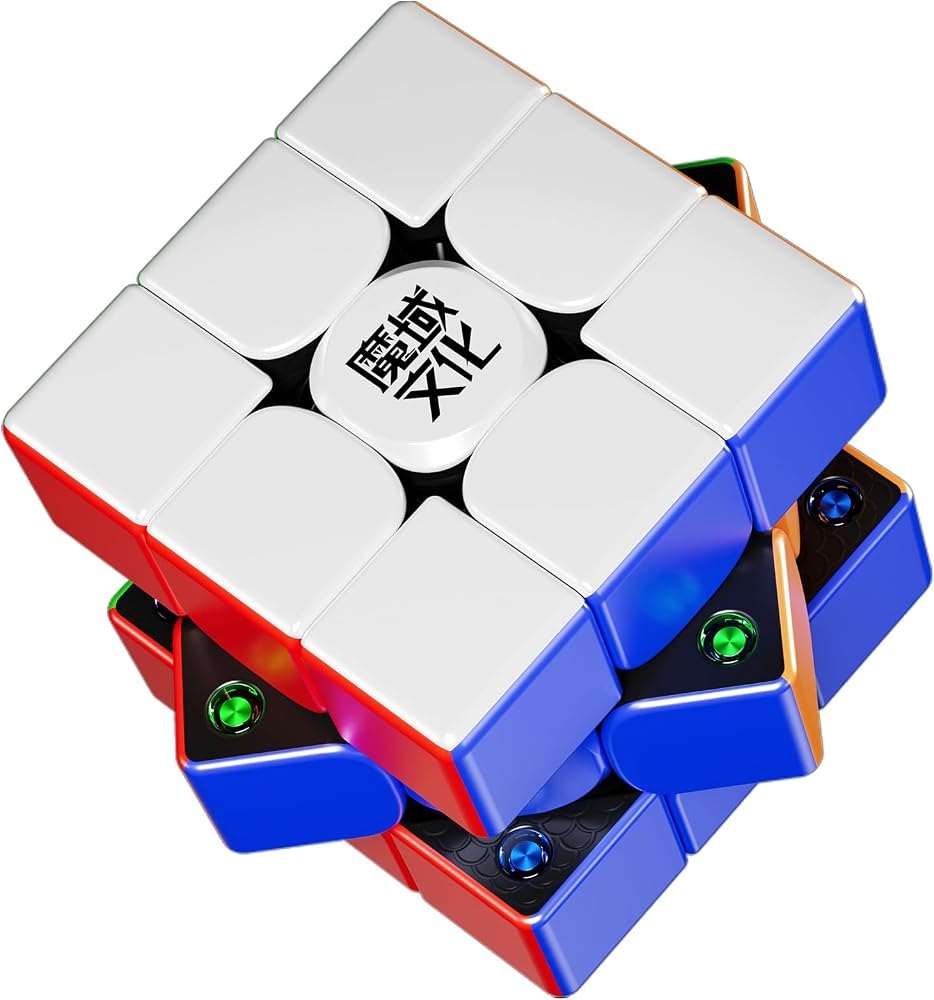
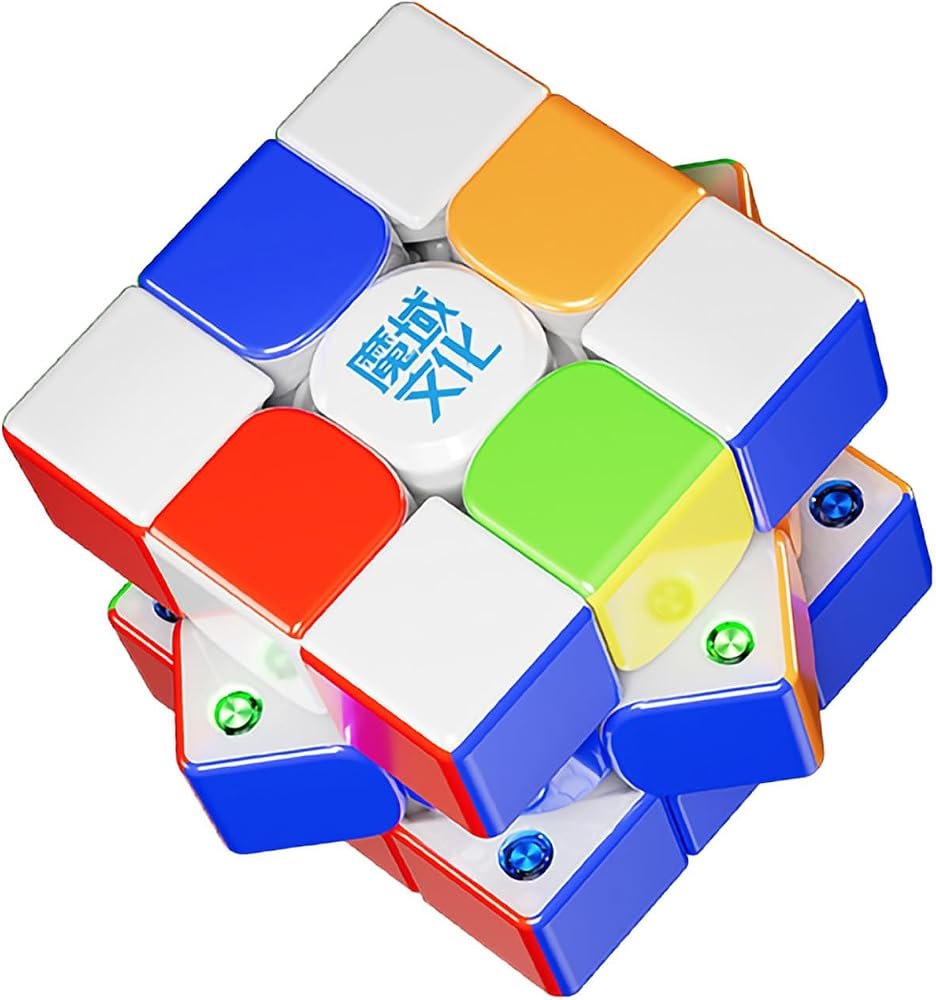
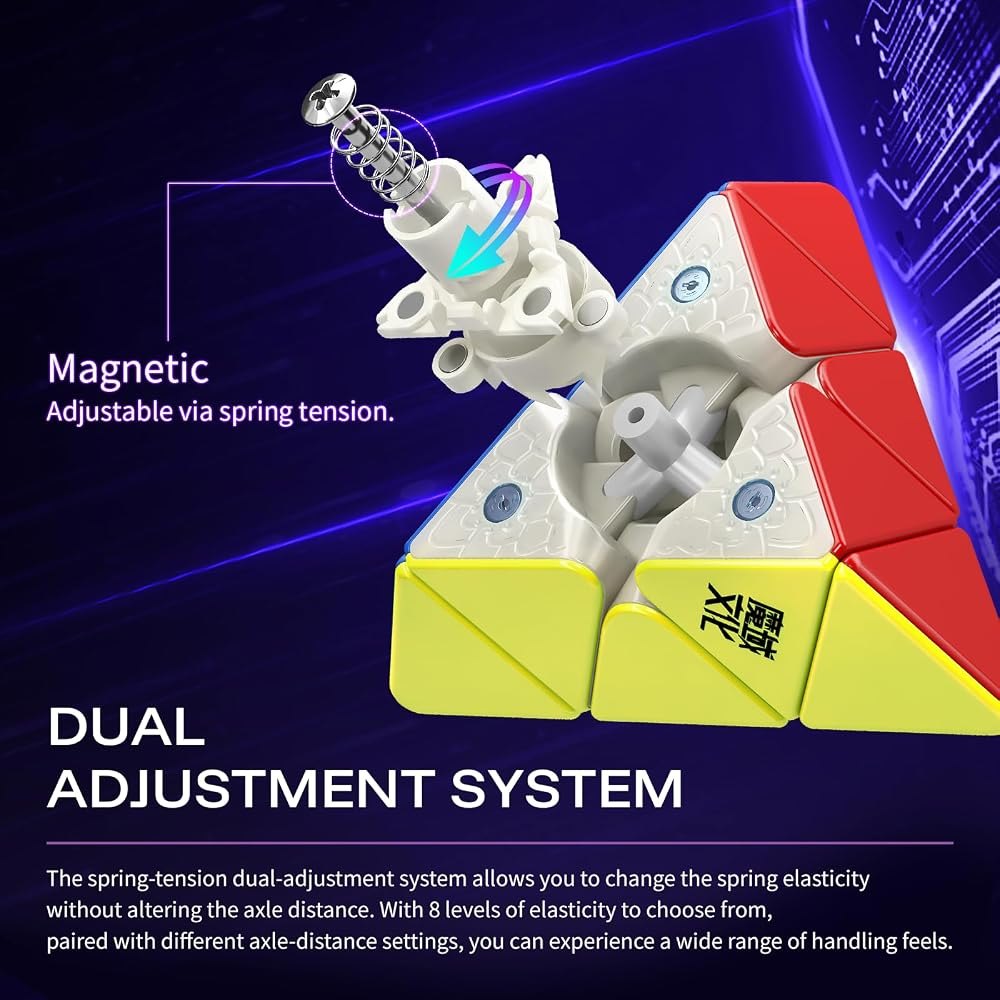
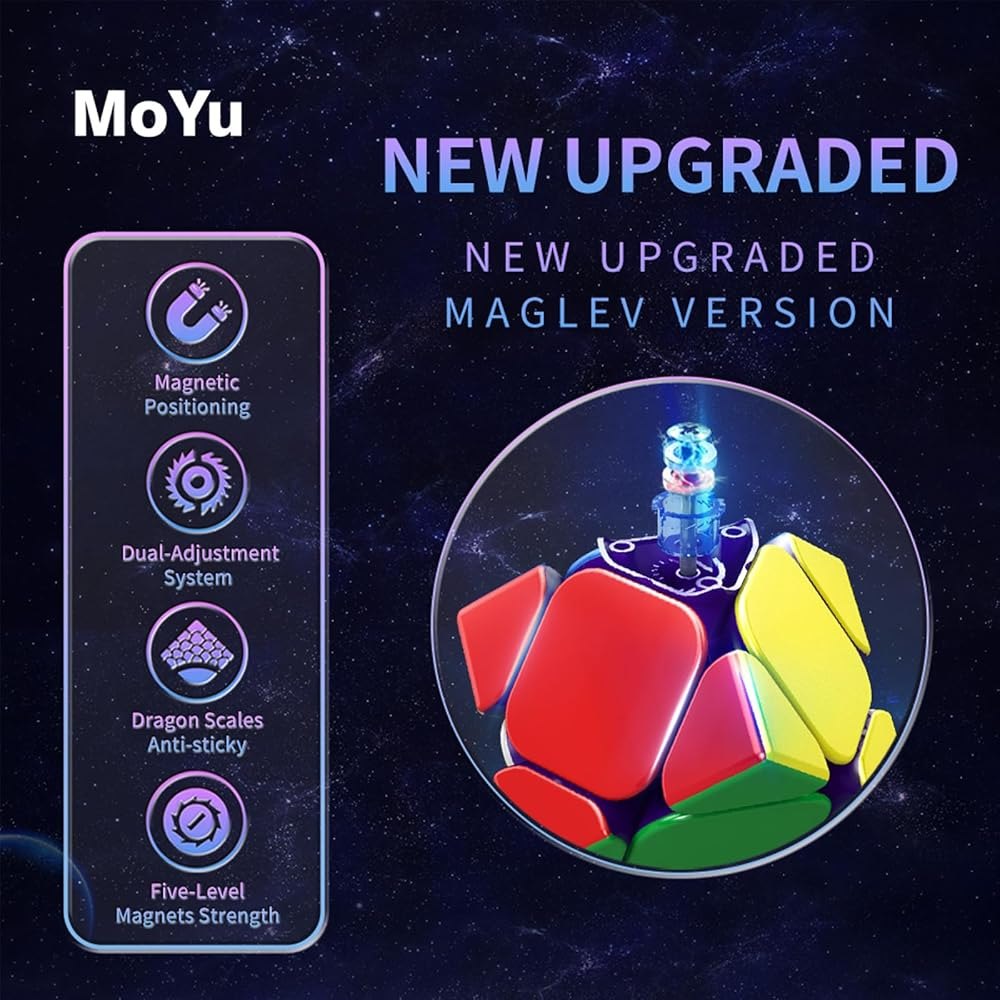
Three pieces of MoYu technology get confused constantly, so here is the short version. Magnets in the pieces snap each layer into alignment, which is why a magnetic cube feels crisp and a non-magnetic one feels vague; magnet count on the card tells you roughly how firm that snap is. A ball-core cube replaces the rigid plastic centre with a sphere carrying its own magnets, which adds a second kind of stability and, on the newer cubes, lets you tune core attraction separately from edge attraction. MagLev swaps the tension springs for repelling magnets, so the spring noise and spring fatigue go away and the cube keeps the same tension for years. None of the three makes a cube automatically better. They make it feel different, and feel is personal.
UV coating, tension and what a flagship actually buys you
UV coated plastic has a faint satin finish that resists the greasy shine stickerless cubes pick up after a few thousand solves. It is a comfort feature, not a speed feature, and it is usually the difference between two otherwise identical listings on the flagship bench. Tension adjustment is the one specification I would not compromise on: a cube you can tune is a cube you can keep. Dual-adjustment and the newer triple-adjustment systems on the WeiLong V11 and Super WeiLong V2 let you change magnet strength without opening the puzzle, which matters far more than the headline magnet number. The honest summary of a flagship is this — it does not solve the cube for you, it stops the cube from being the reason you were slow.
Where MoYu sits among the other speed cube makers
Cubers compare MoYu with GAN and QiYi constantly, and the comparison is less dramatic than the forums suggest. At the top of the market the three are genuinely close, and which one feels best is down to your turning style; GAN leans light and loose, MoYu leans stable and controllable, QiYi sits between them. MoYu's real advantage is the middle of the range. The RS3M line and the MeiLong cubes made under the Cubing Classroom name are the reason MoYu shows up in so many beginner recommendations — they are competition-legal, they turn properly, and they cost less than a cinema ticket. Older names you will still see in collections, Dayan and X-Man among them, built the vocabulary this whole market still uses. MoYu simply kept shipping.
What MoYu speed cubes are, in one paragraph
MoYu Culture — also known simply as MoYu — is a Chinese factory in Guangzhou that has been making speed cubes since 2008 and is famous among speedcubers for a tremendous release pace few rivals maintain. Cubing Classroom, generally sold as the MeiLong line, is its budget sub-brand; GuoGuan, SenHuan, MoJue and Cong sit alongside it inside the same group.
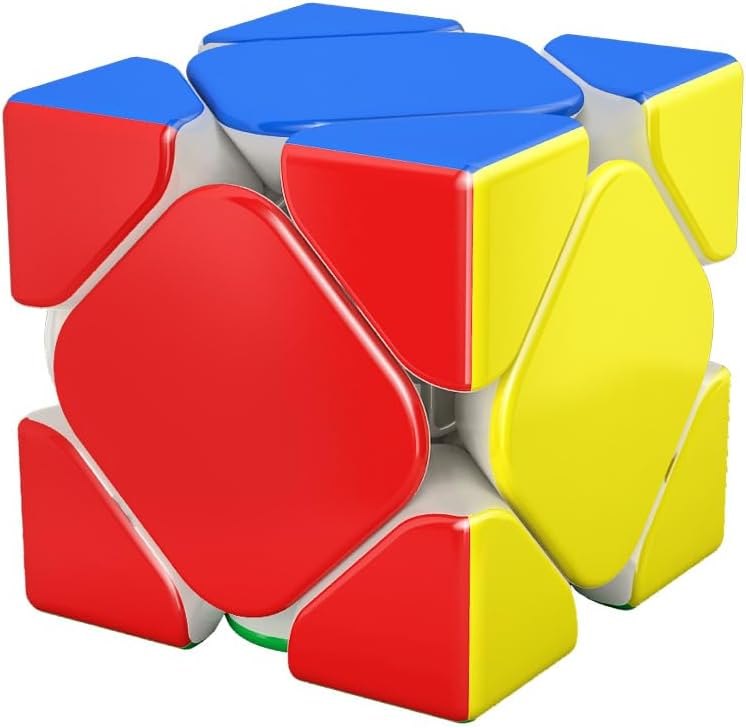
The flagship WeiLong is the single most notable example: it is the cube cubers reach for in competition, the one most often on the mat when a world record is set, and every upgrade carries real technology — a magnet count you can read off the box, MagLev tension, a ball core, a smoother and faster feel — rather than new artwork. A collection that began with one 3×3 — the puzzle most people still call a Rubik’s cube — now runs from 2×2 to 15×15, through shape puzzles like the Skewb and the Pyraminx, and into gift sets for beginners.
That is why MoYu stays popular with people who solve fast: big cube or small, the innovation sits in the layers where a solver can feel it, the turn stays stable, and the plastic keeps its look.
Real specifications
Layer count, magnet count, core type and coating — read off the listing, not invented.
Live price and stock
Every card shows the current store price and whether the cube is in stock right now.
The whole catalogue
Not a top-ten. Every MoYu cube with a live listing has a profile here.
Written by someone who solves
The benches are sorted by what the puzzle is for, because that is how you shop for one.