
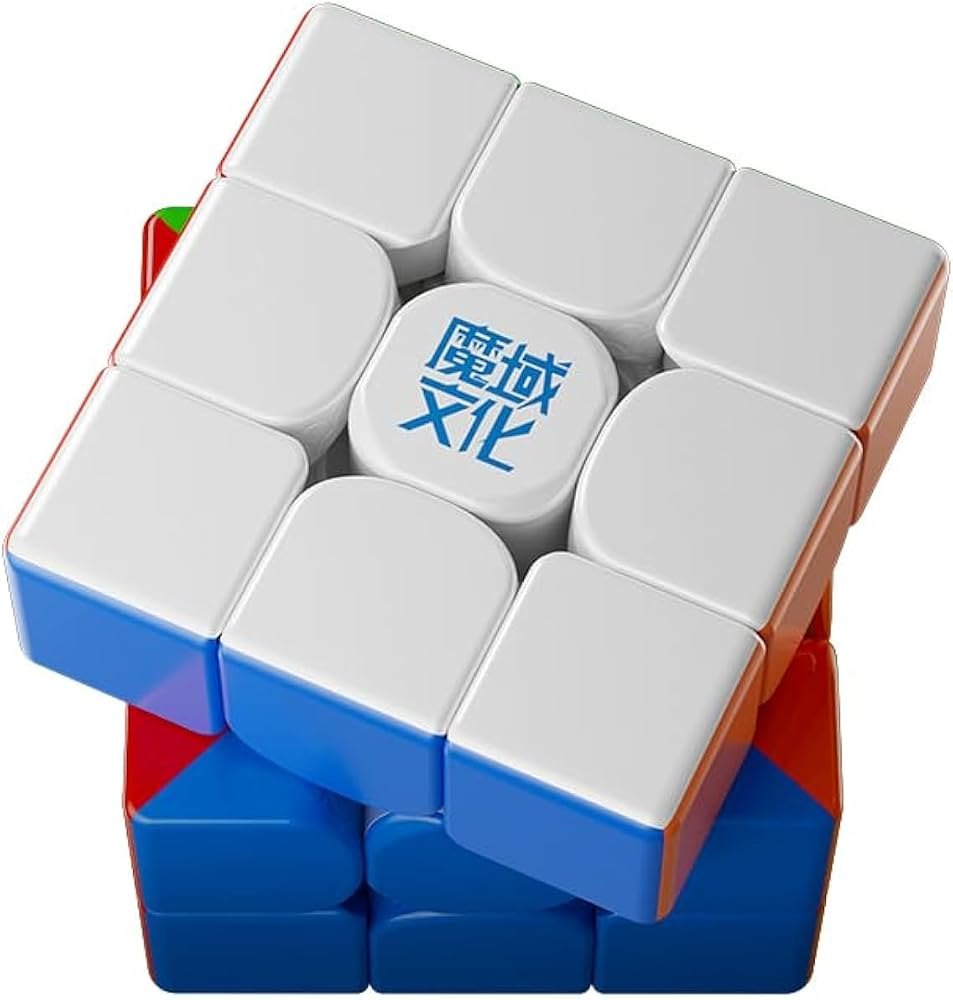
Flagship 3×317 MoYu speed cubes on this bench
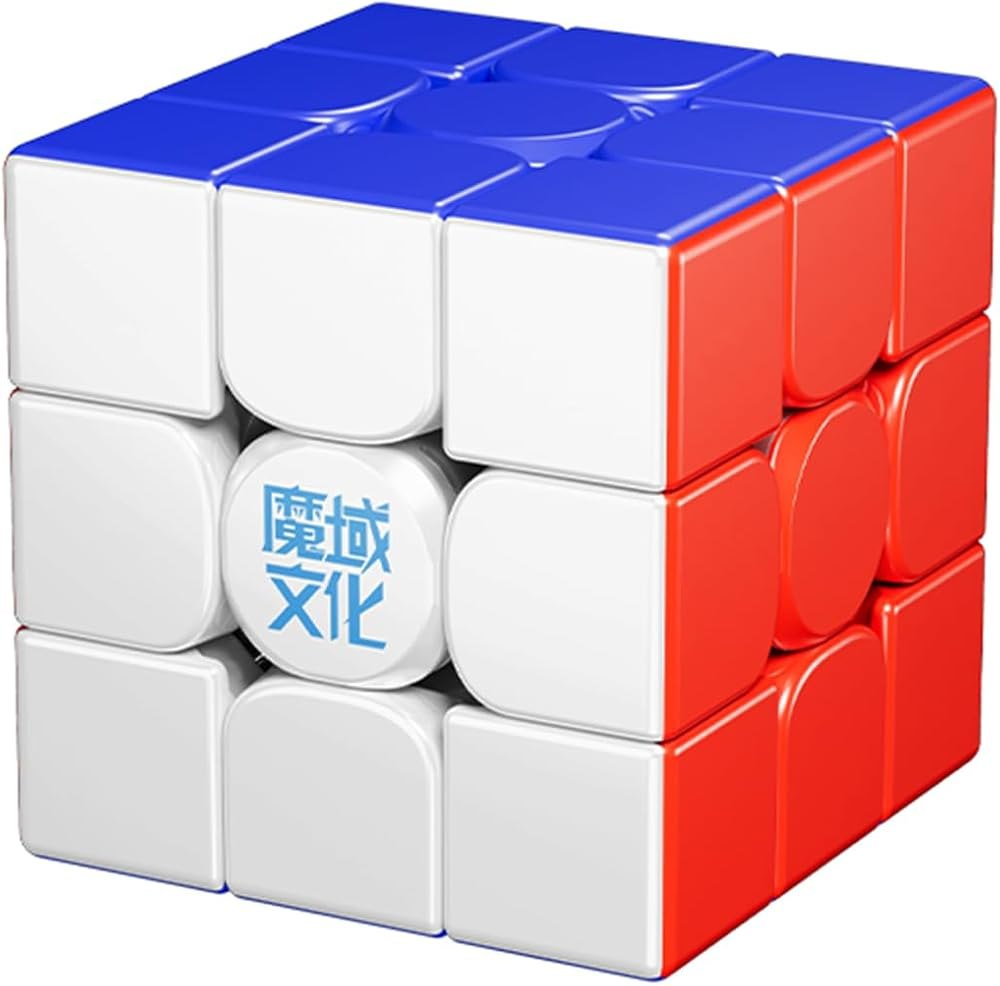
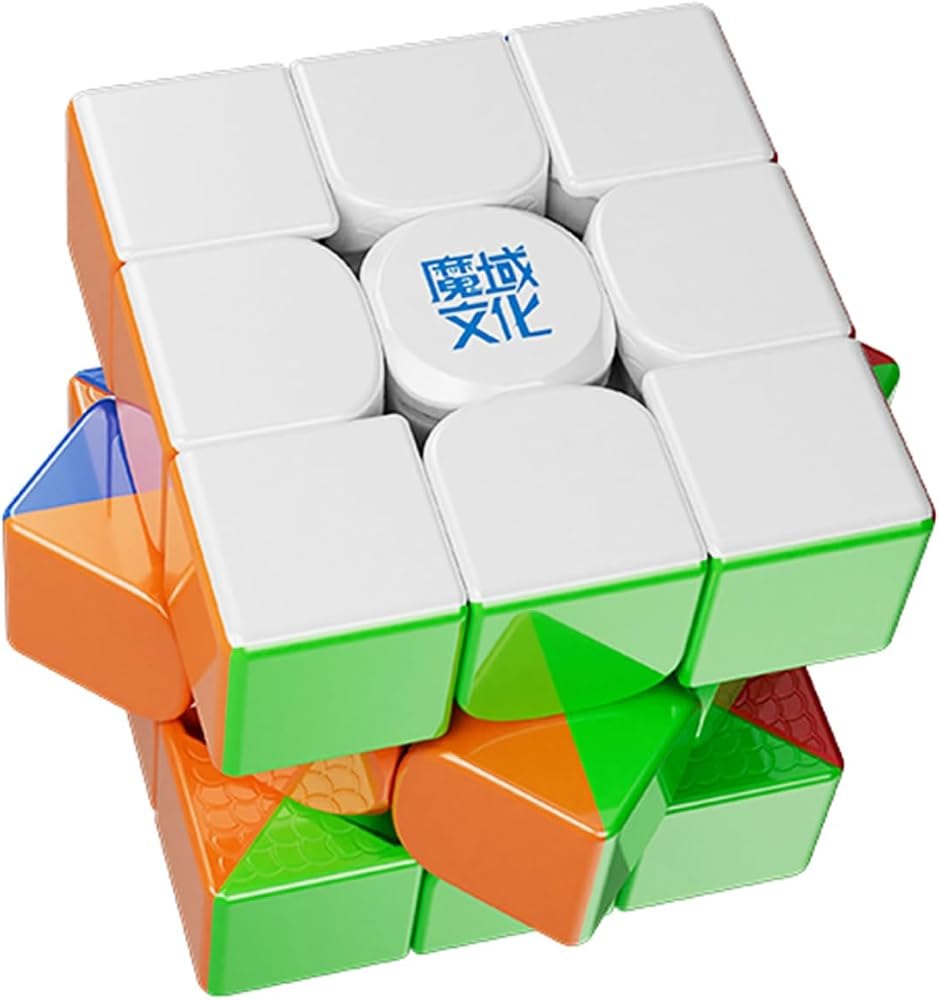
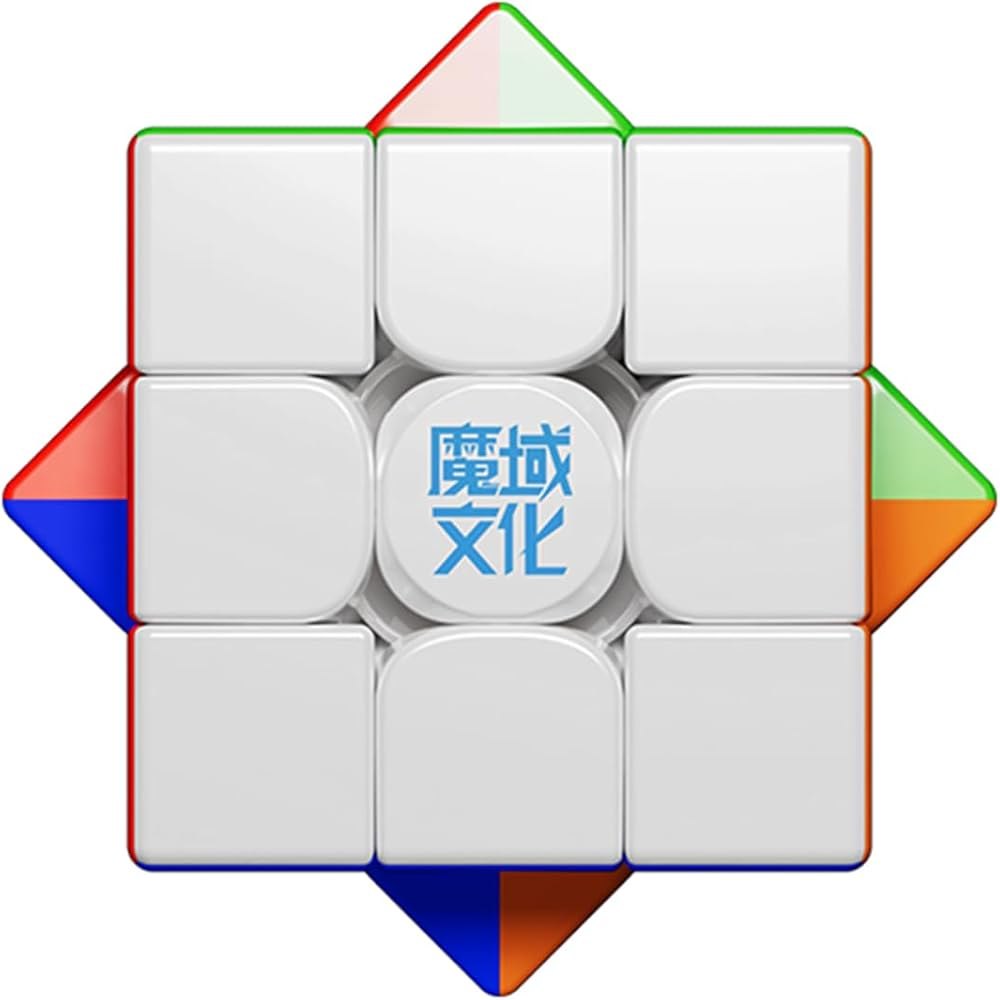
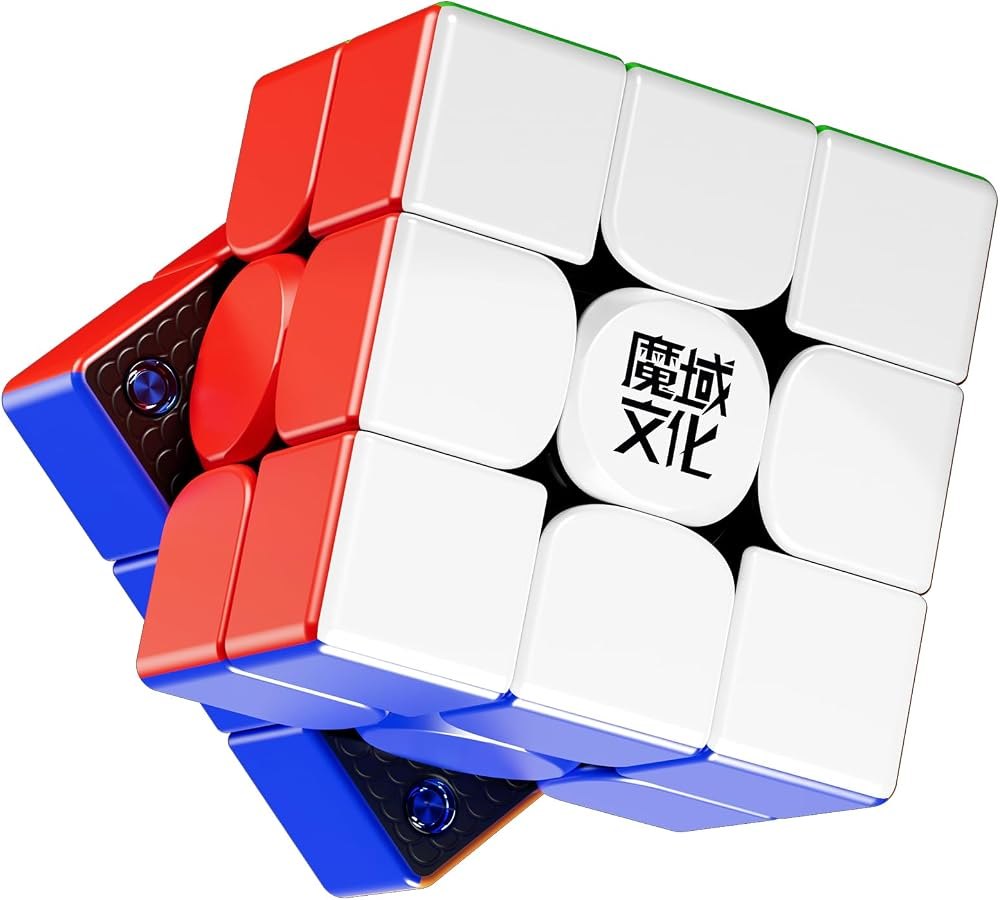
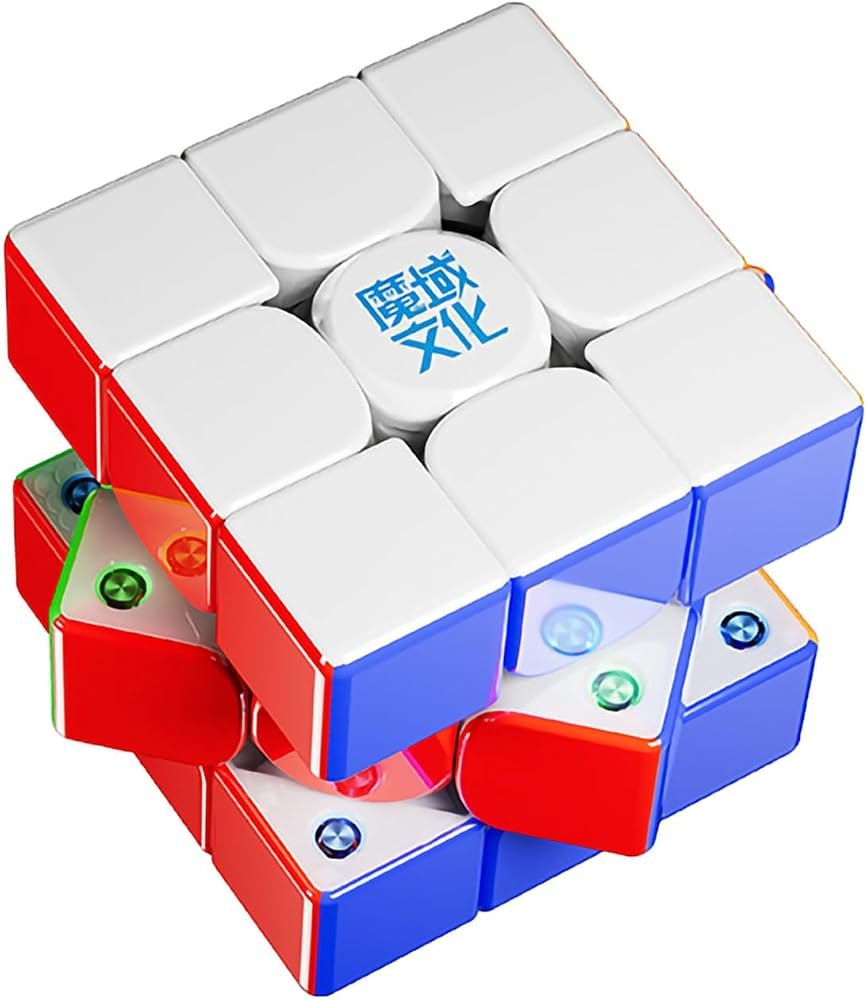
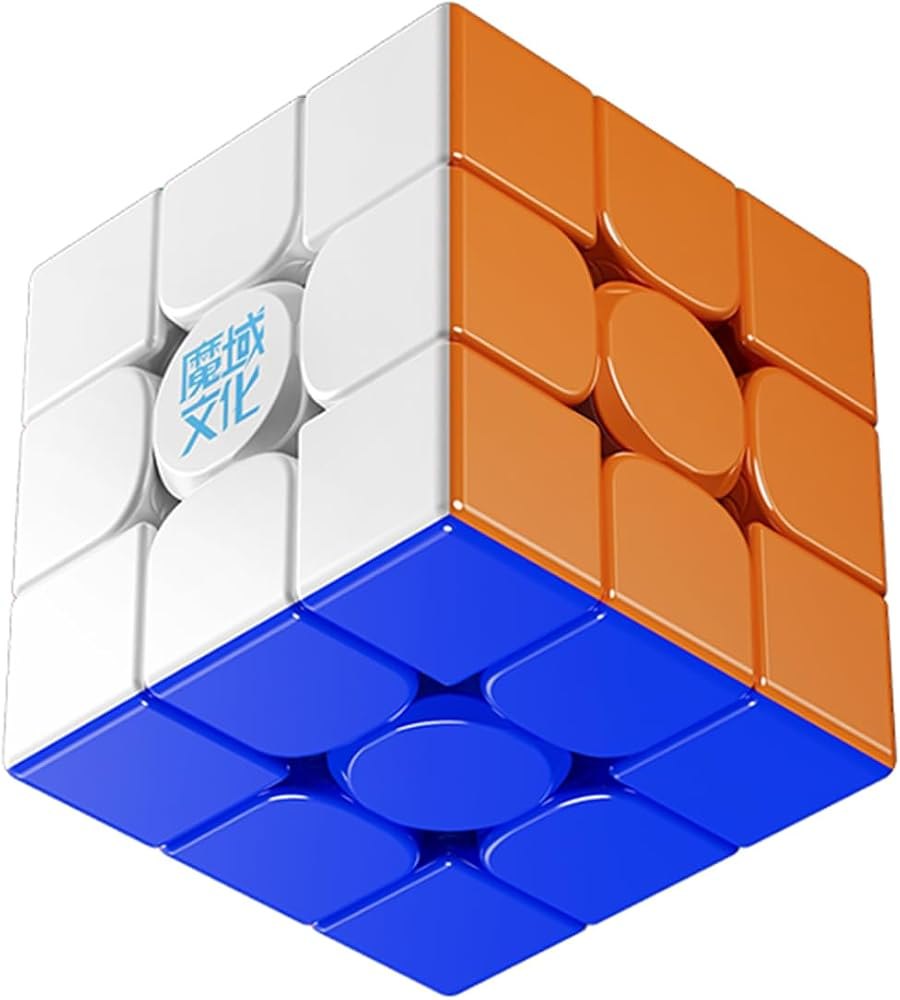
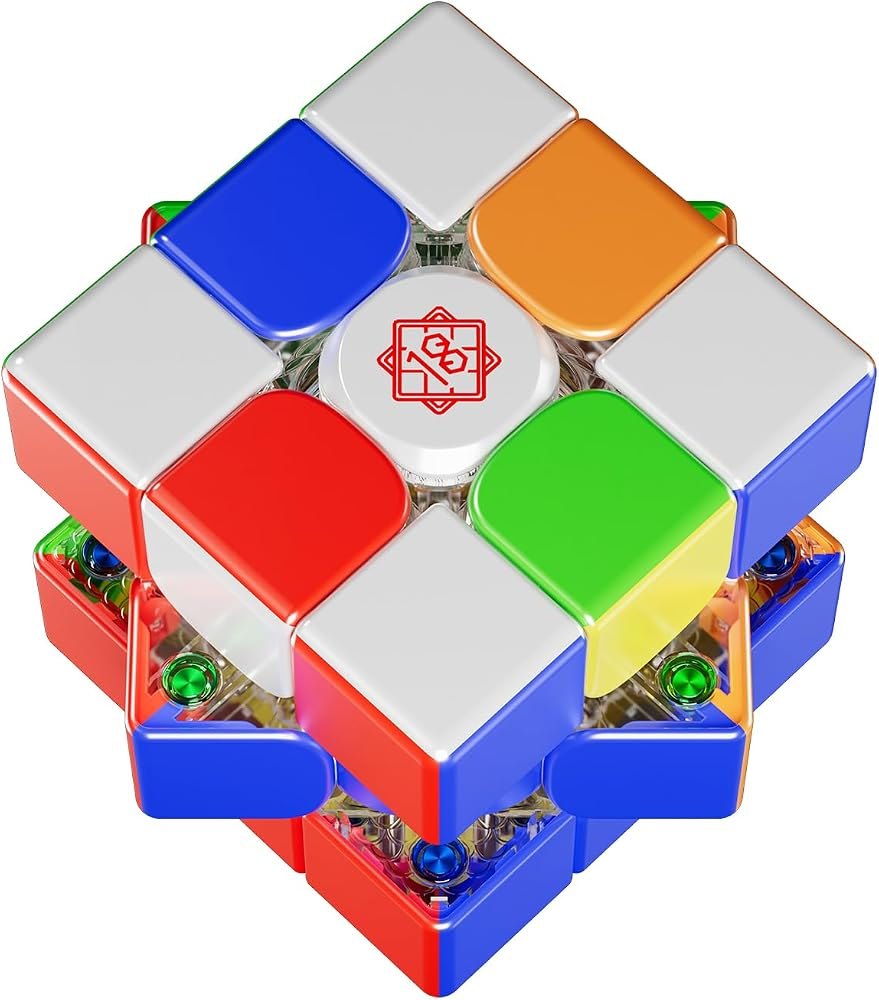
This is the bench where MoYu puts its newest ideas. Three families live here and they are not three price tiers — they are three different opinions about how a 3×3 should feel. The WeiLong line is the competition cube: stable, controllable, forgiving of a sloppy turn, and the one you see most often on a timer mat. Super WeiLong is the same philosophy with every adjustment mechanism MoYu knows how to build, which is why it costs what it costs. AoLong V5 is the lighter, faster-feeling alternative, and the bench carries four of them precisely because magnet count changes that cube more than it changes any other MoYu puzzle.
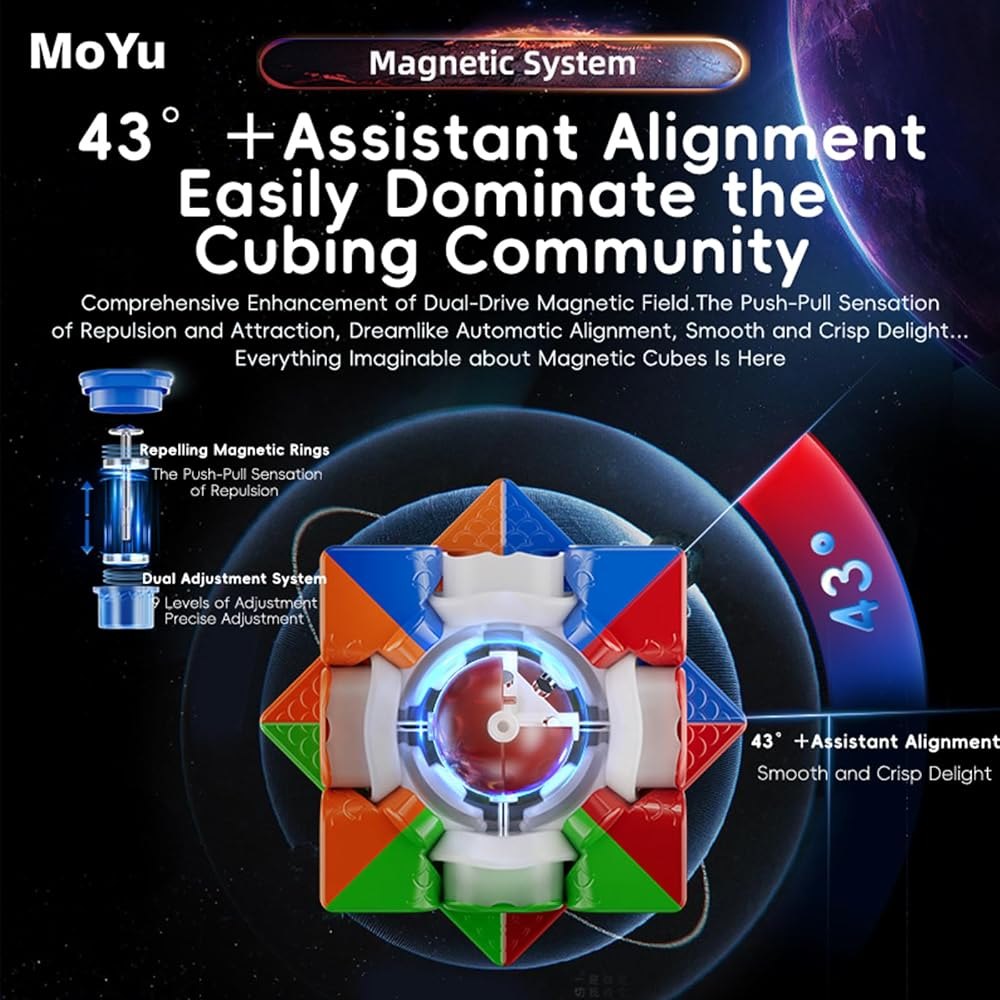
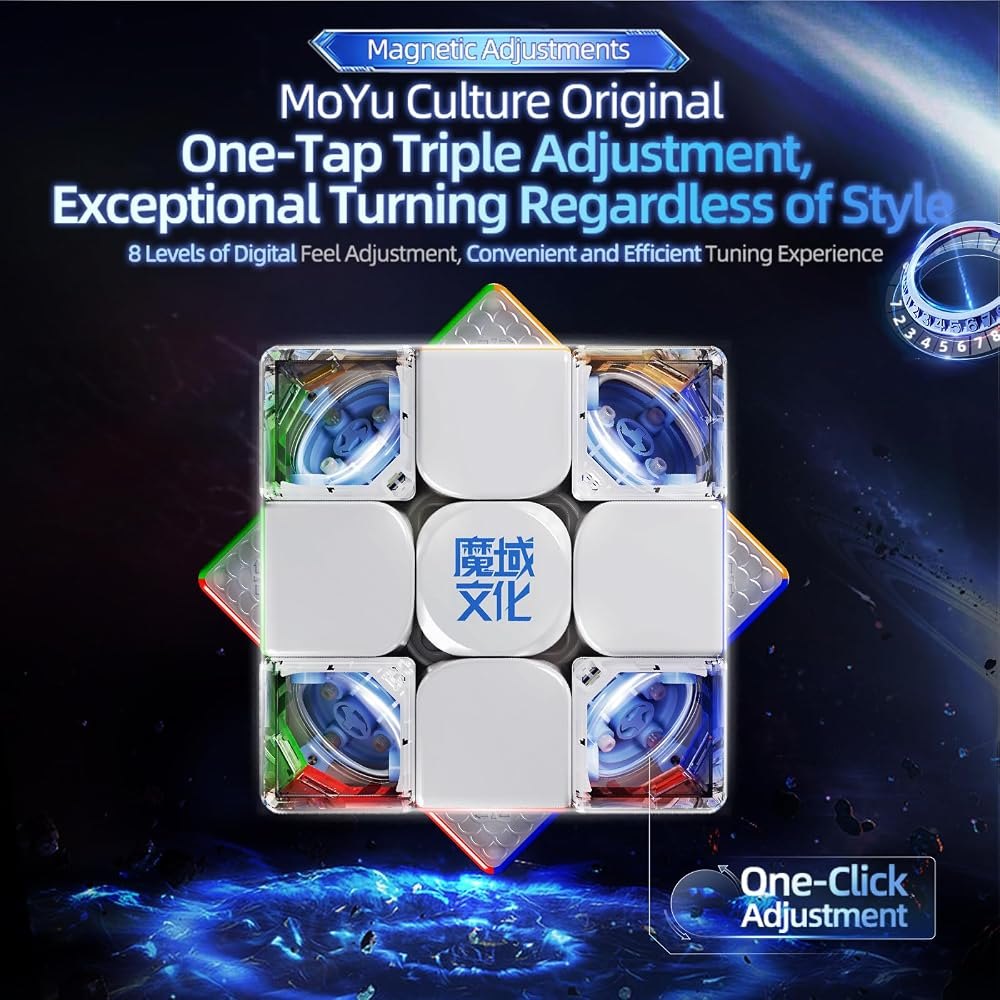
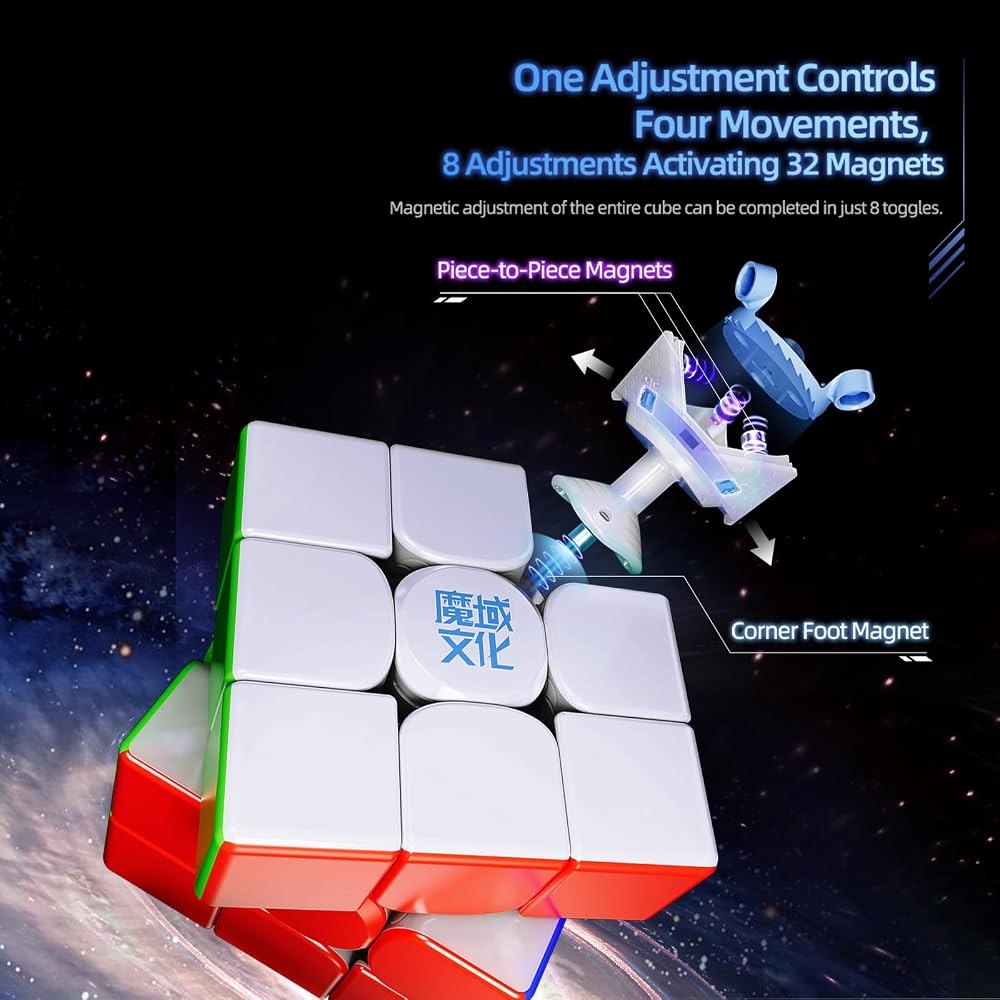
Read the specification strip on each card before the price. A WeiLong V11 with 48 magnets and one with 64 are the same puzzle with a different snap; the SE versions trade the premium packaging for a lower price and keep the mechanism. Where you see MagLev, the tension springs have been replaced by repelling magnets. Where you see ball-core, the centre is a magnetic sphere you can tune separately. Where you see UV coated, the plastic will still look new after a year of use.
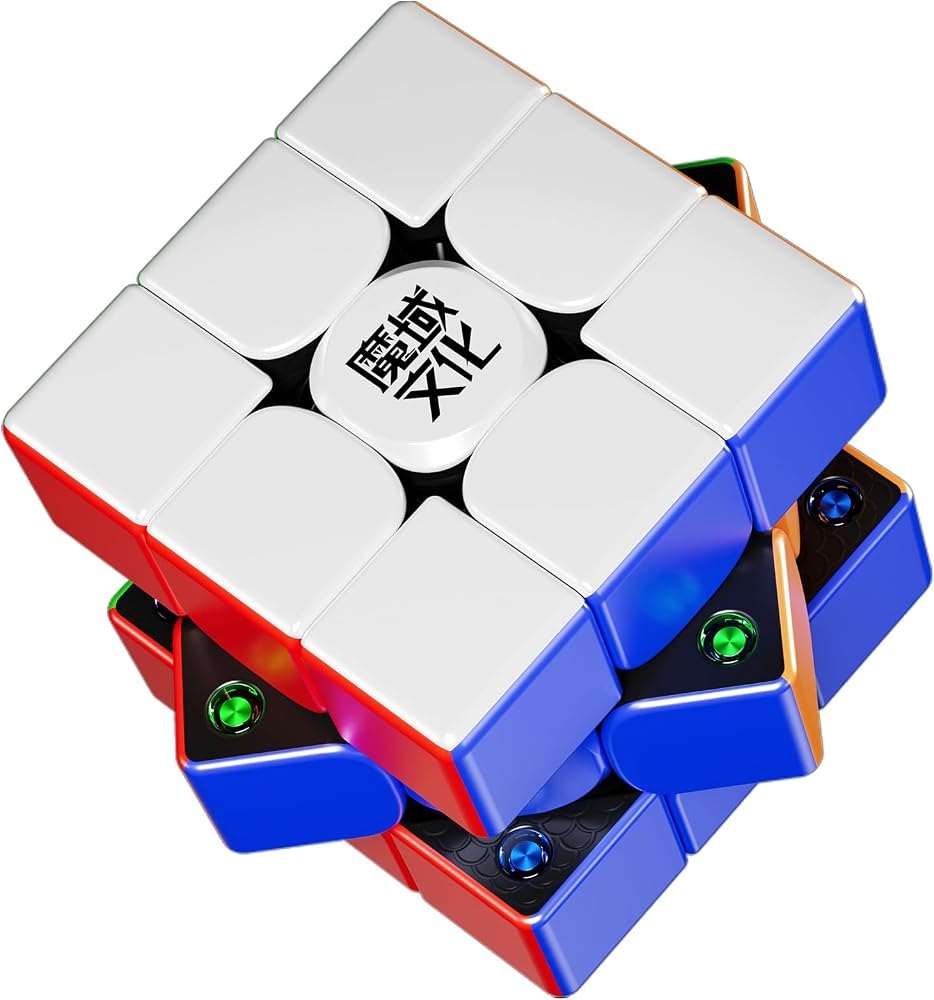
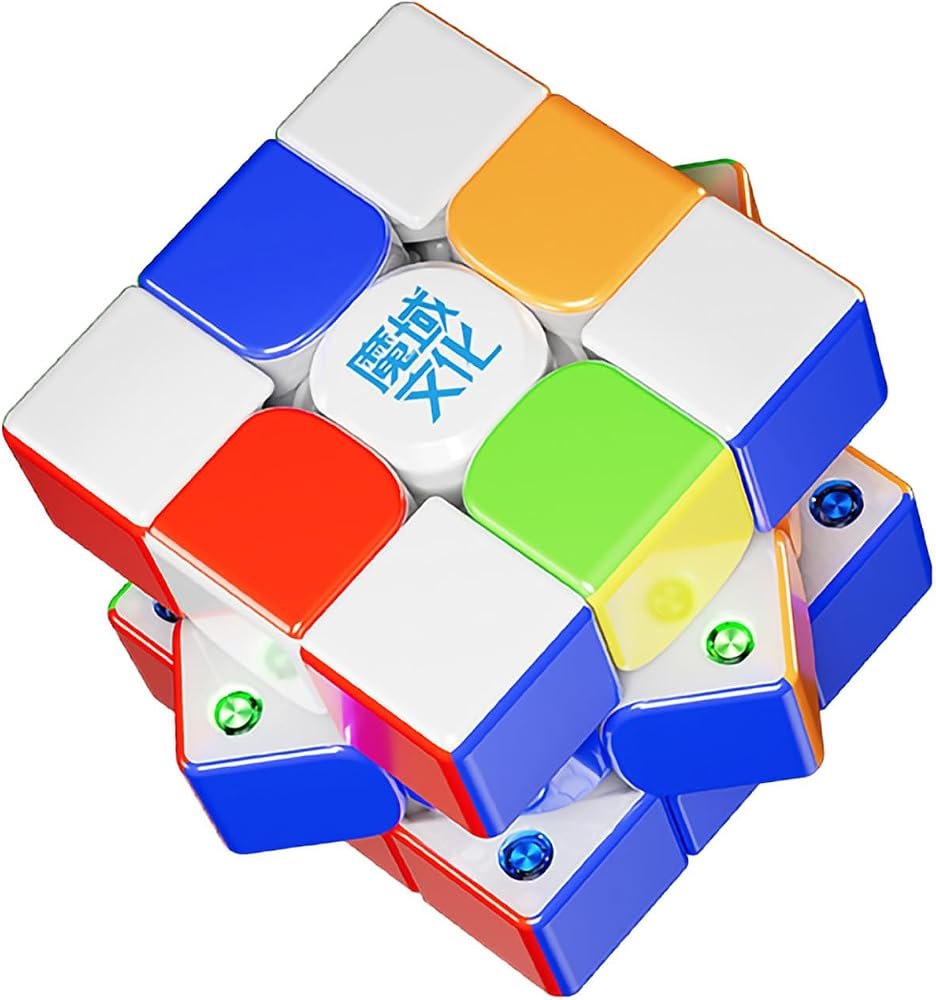
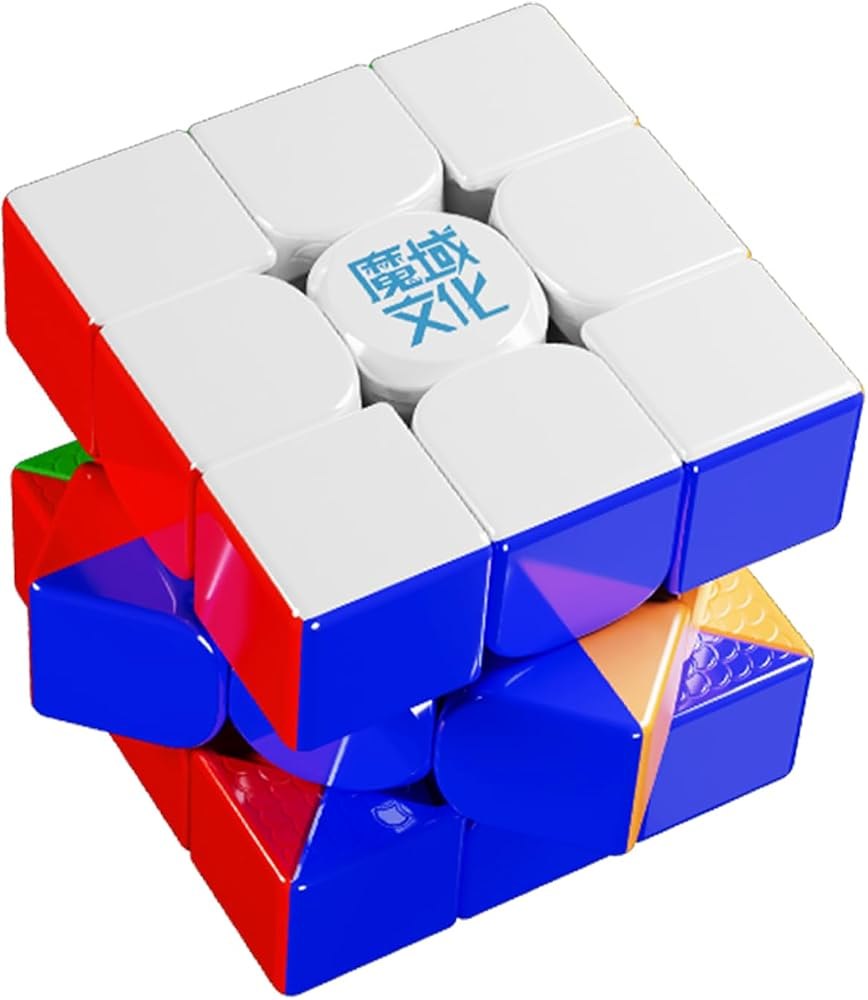
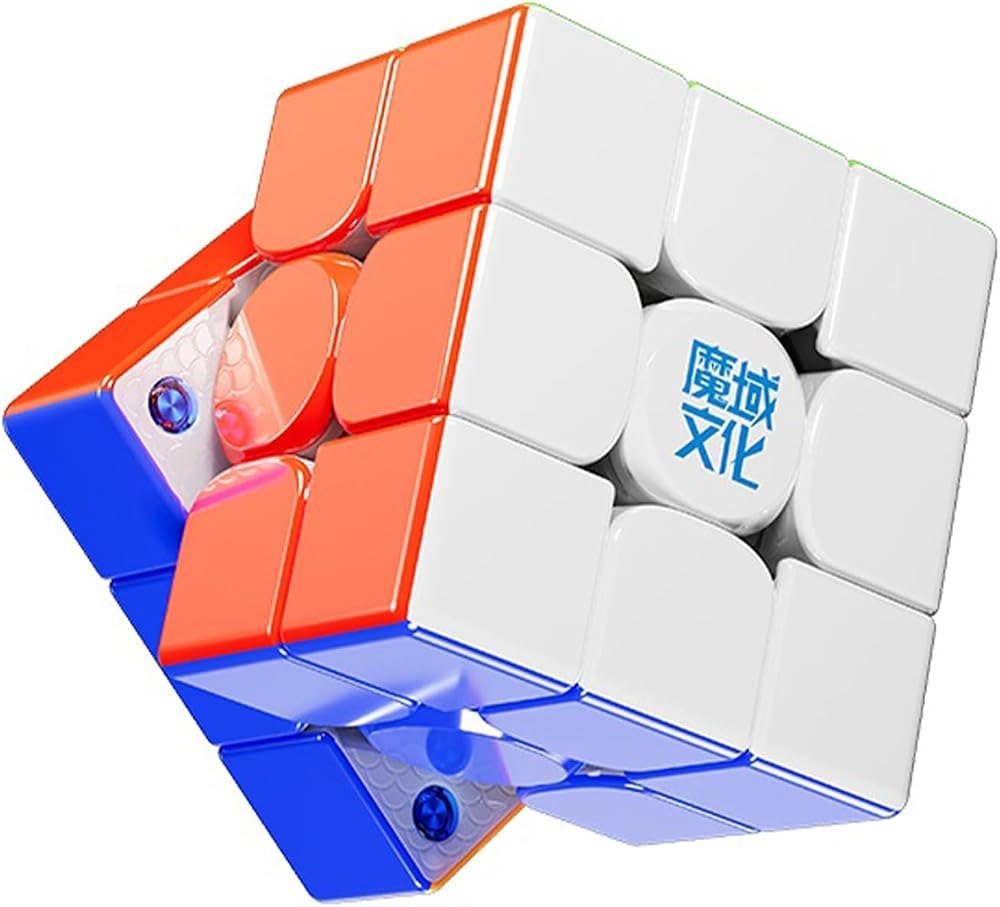
No cube on this bench has that specification. Clear the filter to see them all.
Specifications side by side: Flagship 3×3
| Cube | Magnets | MagLev | Core | UV | Tuning | Price |
|---|---|---|---|---|---|---|
| WeiLong WRM V9 | yes | — | — | — | dual | $11.14 |
| WeiLong V11 SE 48-Magnet | 48 | yes | ball | — | dual | $16.24 |
| WeiLong V11 48-Magnet | 48 | yes | ball | — | dual | $16.96 |
| AoLong V5 Carbon-Fibre Core | 48 | — | — | — | dual | $17.99 |
| AoLong V5 48-Magnet | 48 | — | — | yes | — | $22.99 |
| WeiLong WRM V9 MagLev | yes | yes | — | — | dual | $22.99 |
| WeiLong V11 64-Magnet | 64 | yes | ball | — | dual | $30.69 |
| WeiLong WRM V9 MagLev Ball-Core UV | yes | yes | ball | yes | dual | $31.99 |
| WeiLong WRM V10 MagLev Ball-Core UV | yes | yes | ball | yes | dual | $33.99 |
| AoLong V5 88-Magnet | 88 | — | ball | — | — | $33.99 |
| WeiLong V11 SE Ball-Core UV | yes | yes | ball | yes | dual | $34.71 |
| WeiLong V11 Ball-Core UV | yes | yes | ball | yes | dual | $37.42 |
| AoLong V5 100-Magnet | 100 | yes | ball | yes | — | $39.99 |
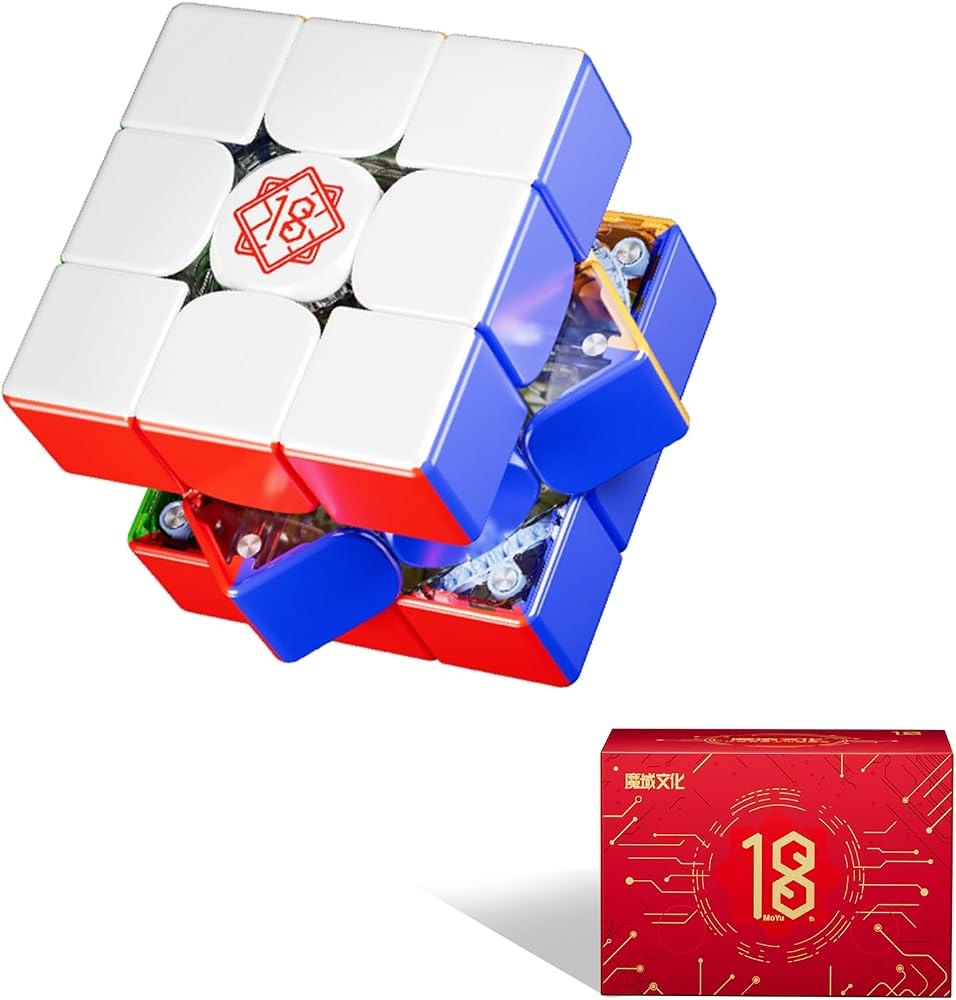
| WeiLong V11 18th Anniversary | 20 | yes | ball | yes | — | $46.63 |
| Super WeiLong V2 MagLev | yes | yes | ball | — | — | $69.99 |
| Super WeiLong V2 Ball-Core UV | yes | — | ball | yes | — | $72.99 |
| Super WeiLong V2 18th Anniversary | 20 | yes | ball | — | dual | $72.99 |
Choosing between the flagship families
WeiLong WRM, V11 and the SE question
The WRM V9 and V10 are the cubes that made this line's reputation, and they are still the safest recommendation on the bench — a stable, quiet, deeply tunable 3×3 that does nothing surprising. V11 is the generation that moved the adjustment system onto the outside of the cube, so you change magnet strength with a tool and a few clicks instead of a screwdriver and a guess. The SE editions are worth understanding: same core mechanism, plainer box, lower price. If you are buying your first flagship, an SE is the least painful way to find out whether you actually like a heavy magnetic feel.
AoLong V5 and why the magnet count is on the card
AoLong is the lighter chassis, and MoYu ships it in four magnet configurations because the difference is real rather than marketing. The carbon-fibre core version is the loosest and fastest, and it suits cubers who turn hard and correct fast. The 88 and 100 magnet builds add progressively more snap and more weight in the hand, which some solvers read as control and others read as drag. There is no correct answer here, which is the point of listing all four instead of picking one. If you already own a WeiLong and find it too planted, AoLong is the cube to try next.
What MoYu speed cubes are, in one paragraph
MoYu Culture — also known simply as MoYu — is a Chinese factory in Guangzhou that has been making speed cubes since 2008 and is famous among speedcubers for a tremendous release pace few rivals maintain. Cubing Classroom, generally sold as the MeiLong line, is its budget sub-brand; GuoGuan, SenHuan, MoJue and Cong sit alongside it inside the same group.
The flagship WeiLong is the single most notable example: it is the cube cubers reach for in competition, the one most often on the mat when a world record is set, and every upgrade carries real technology — a magnet count you can read off the box, MagLev tension, a ball core, a smoother and faster feel — rather than new artwork. A collection that began with one 3×3 — the puzzle most people still call a Rubik’s cube — now runs from 2×2 to 15×15, through shape puzzles like the Skewb and the Pyraminx, and into gift sets for beginners.
That is why MoYu stays popular with people who solve fast: big cube or small, the innovation sits in the layers where a solver can feel it, the turn stays stable, and the plastic keeps its look.
Real specifications
Layer count, magnet count, core type and coating — read off the listing, not invented.
Live price and stock
Every card shows the current store price and whether the cube is in stock right now.
The whole catalogue
Not a top-ten. Every MoYu cube with a live listing has a profile here.
Written by someone who solves
The benches are sorted by what the puzzle is for, because that is how you shop for one.