
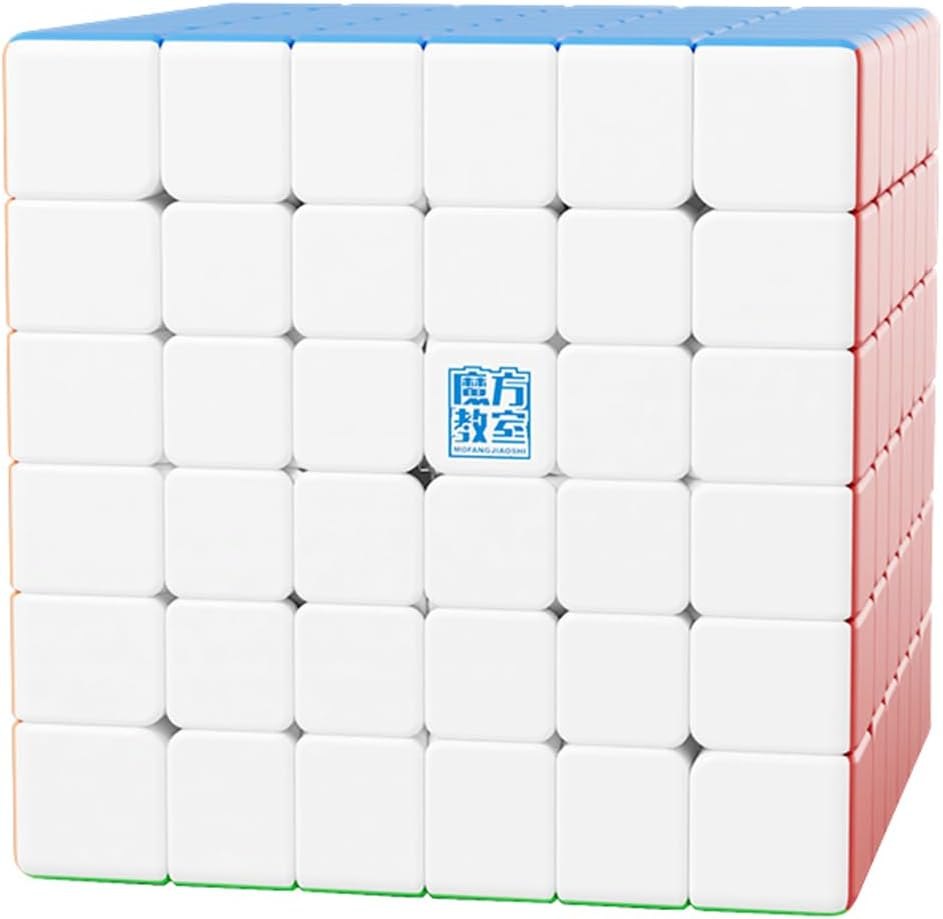
6×6 and Bigger14 MoYu speed cubes on this bench
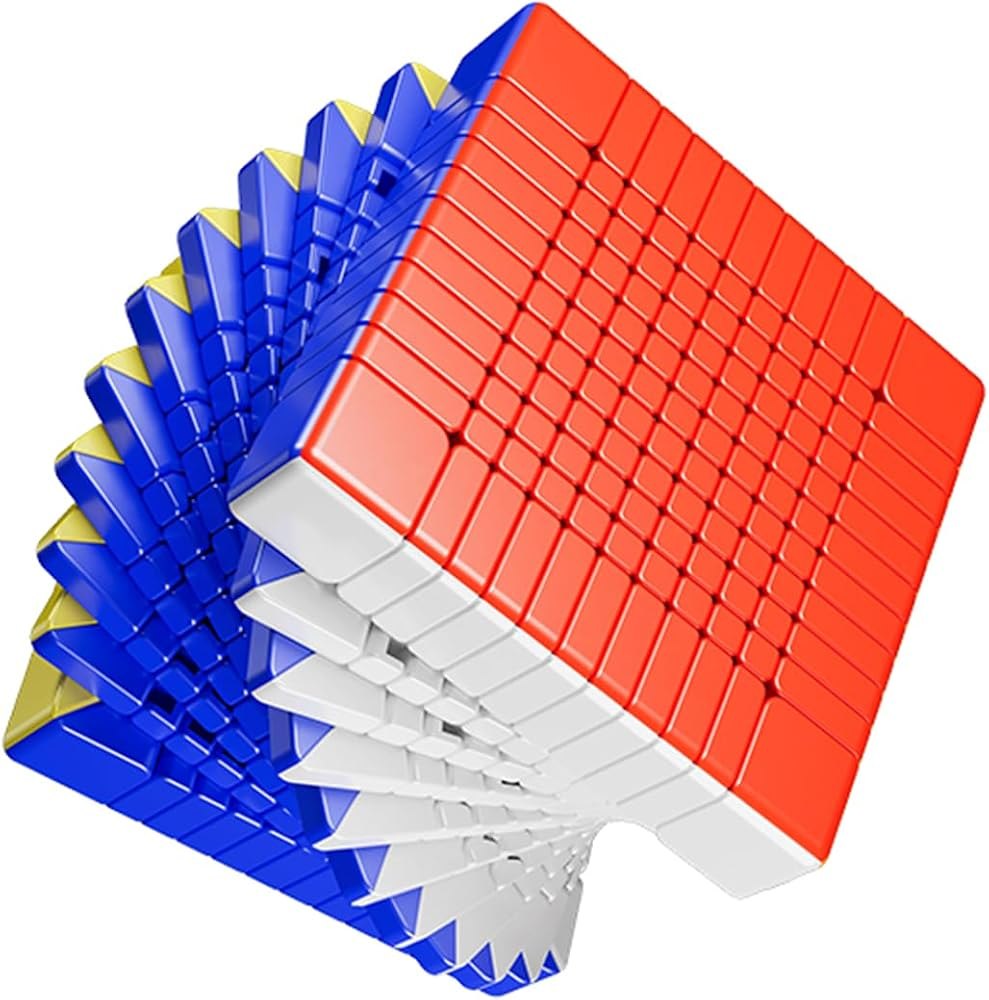
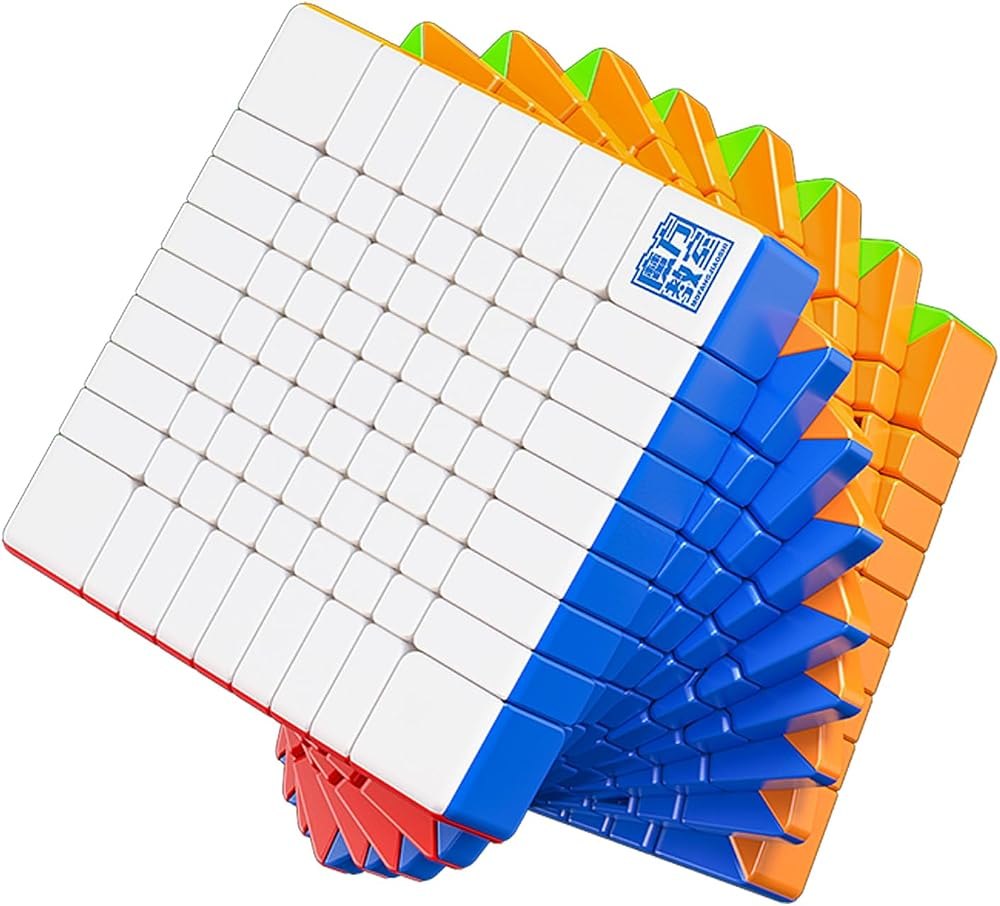
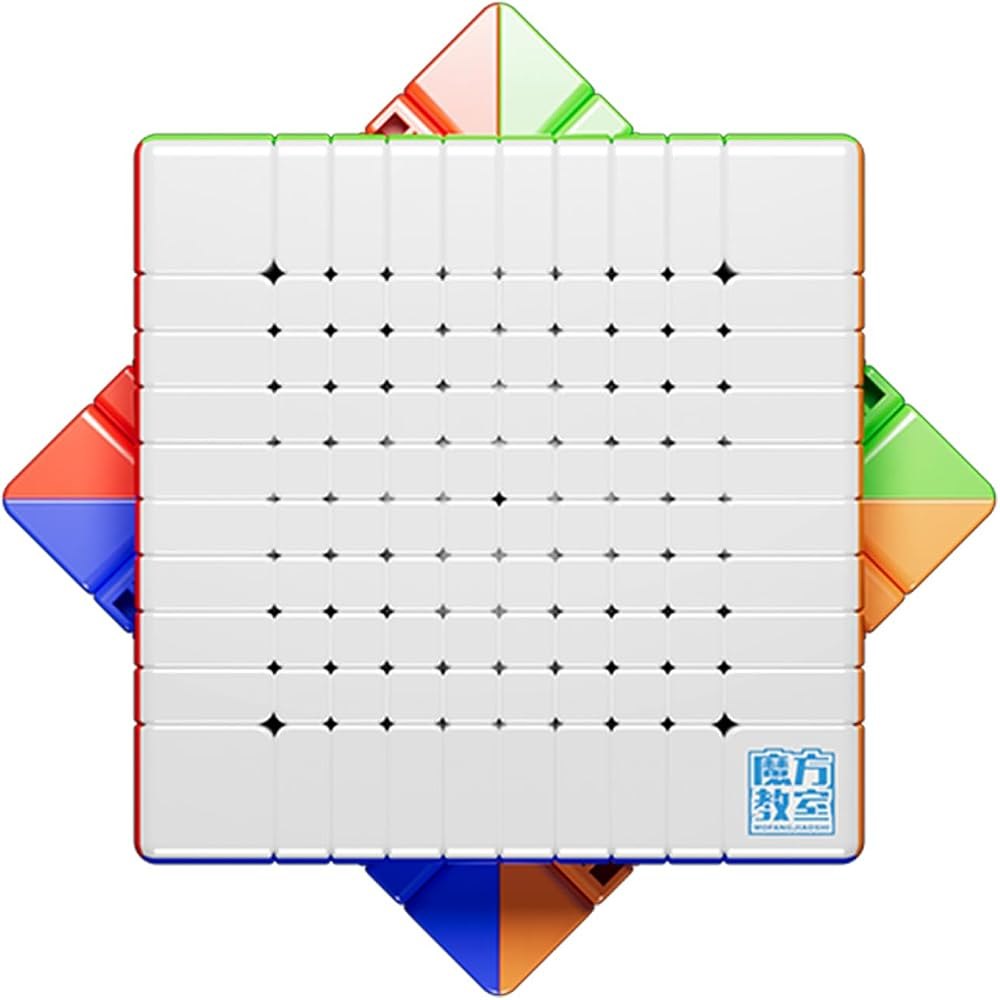
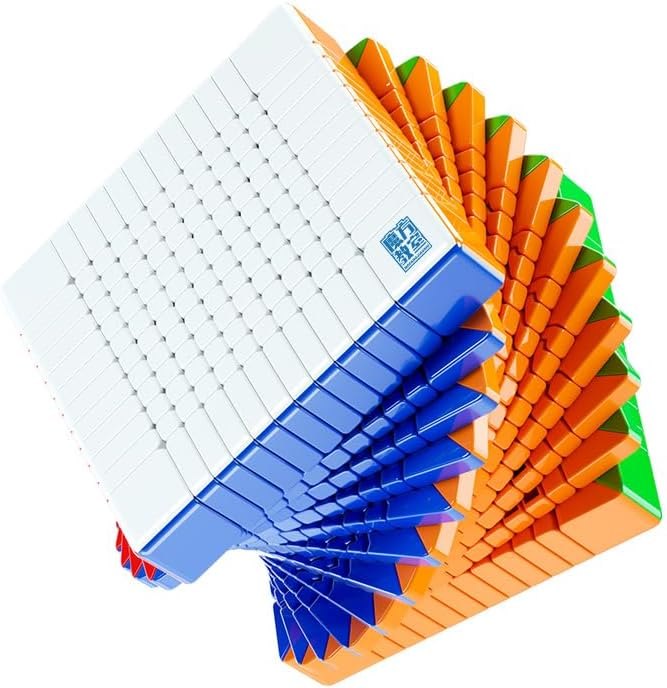
Big cubes are a different hobby wearing the same clothes. Nobody is chasing a sub-ten on a 9×9; the appeal is the long, methodical reduction, and the hardware requirement changes to match. Weight becomes the enemy — a 12×12 that is three hundred grams is tiring to hold for the fifteen minutes a solve takes. Anti-misalignment layers matter more than corner cutting. And a pop on a puzzle with this many pieces is a genuinely bad evening.
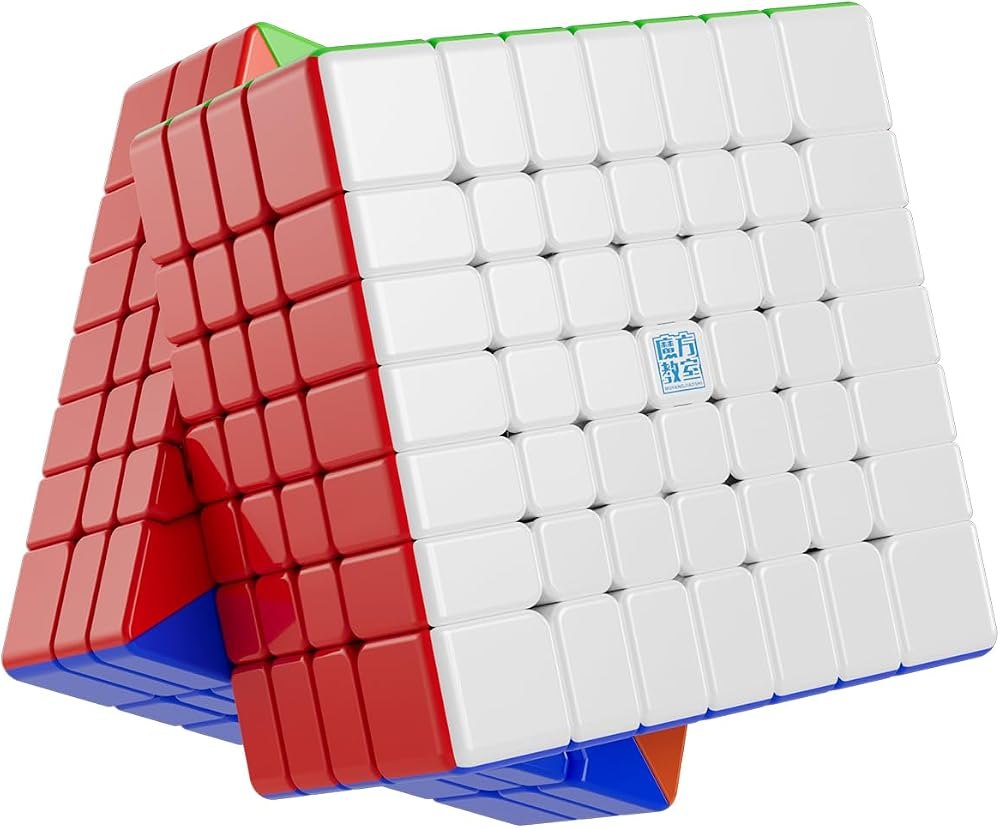
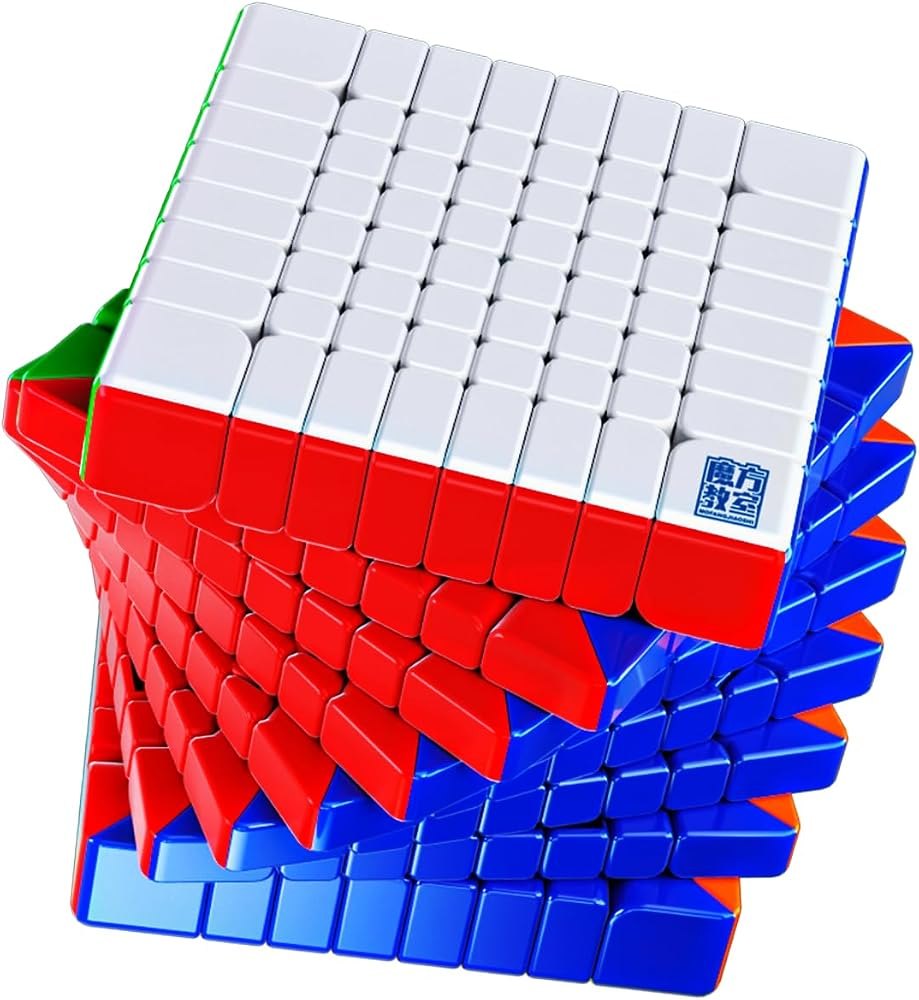
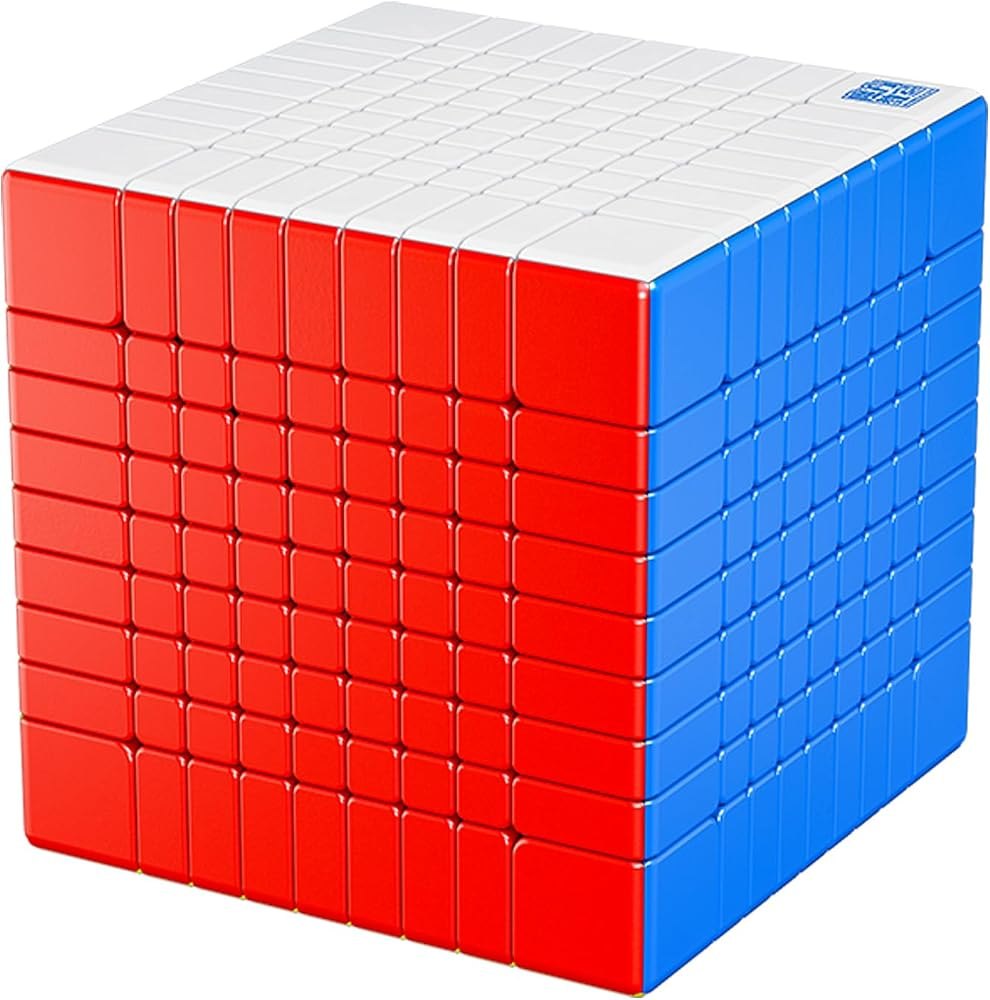
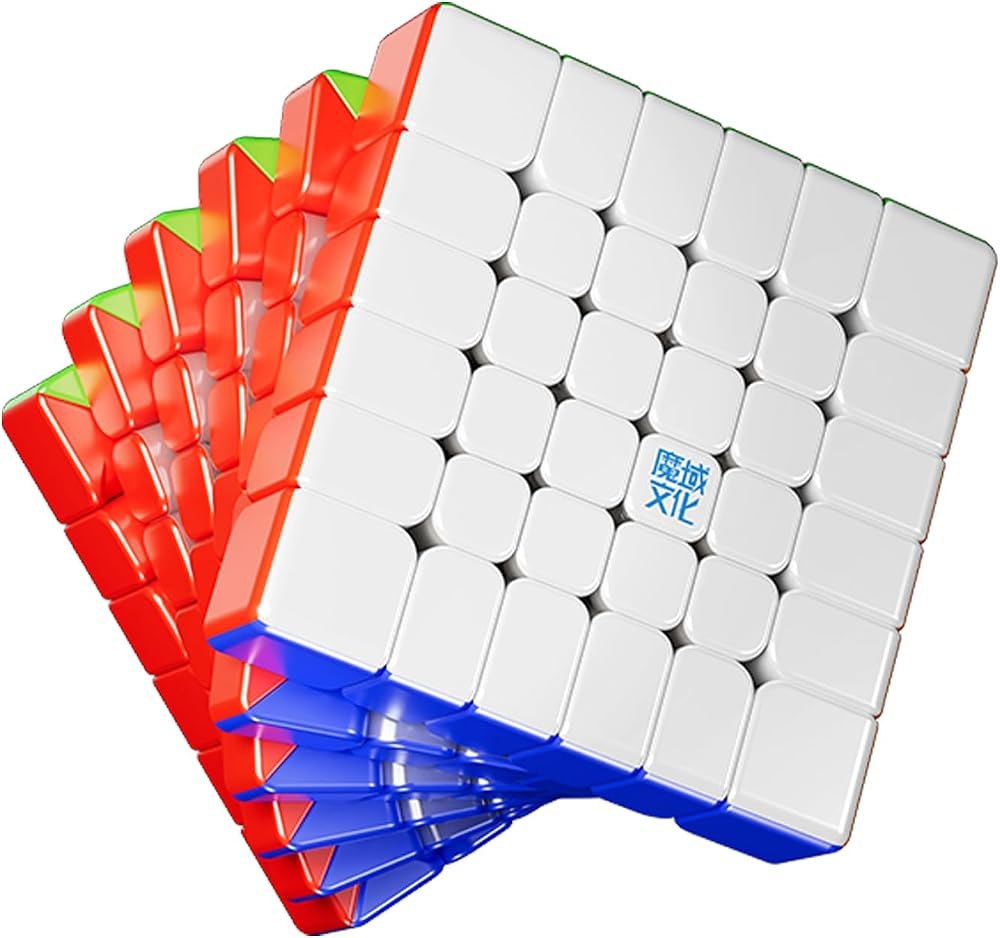
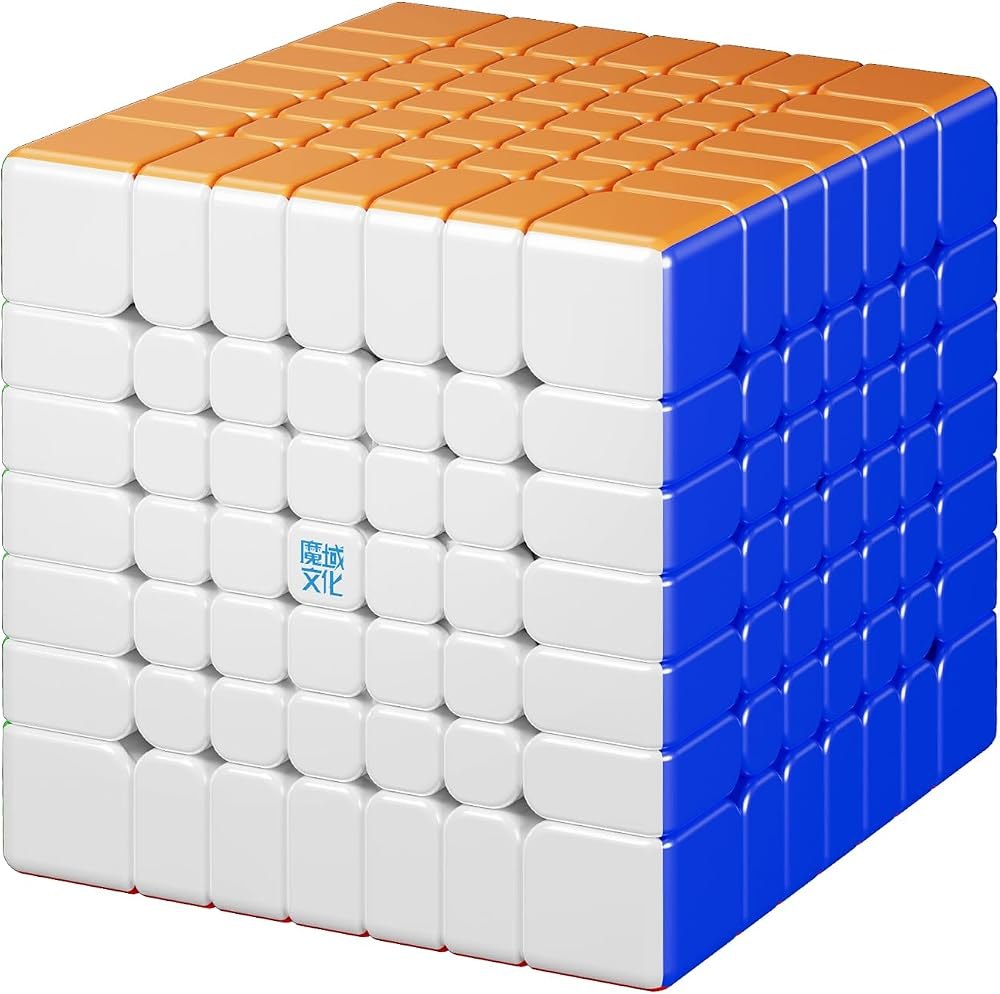
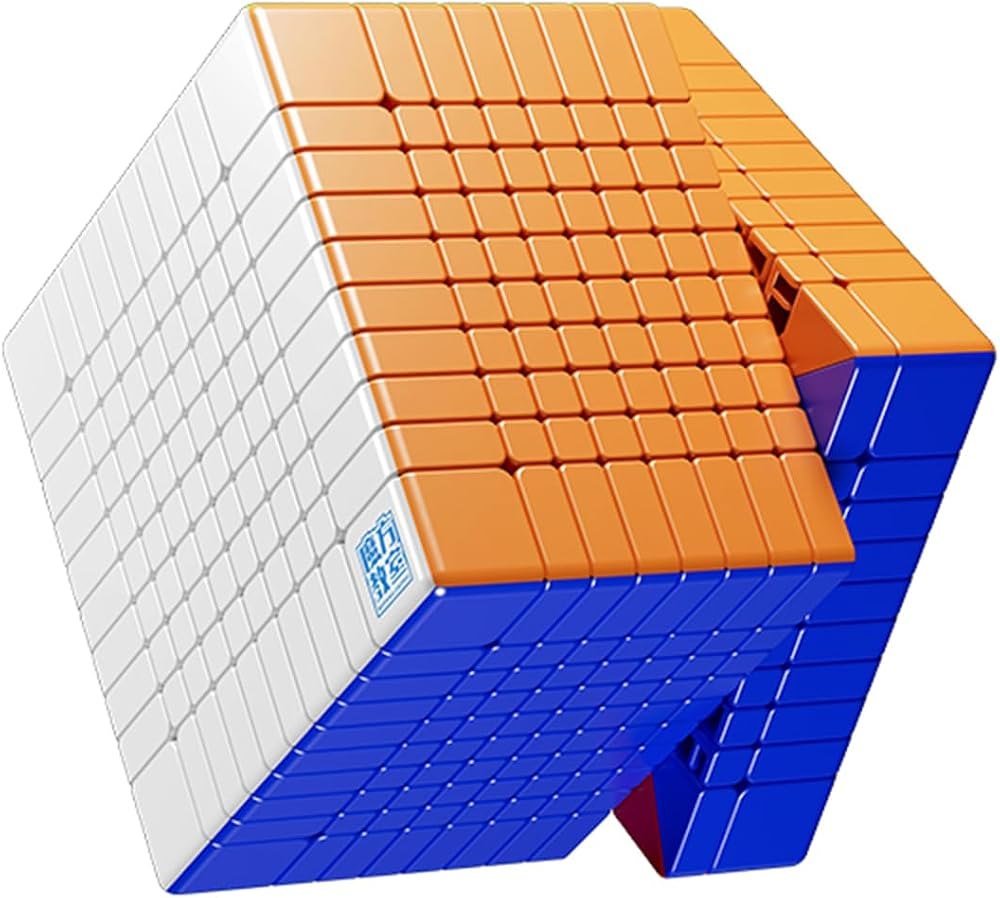
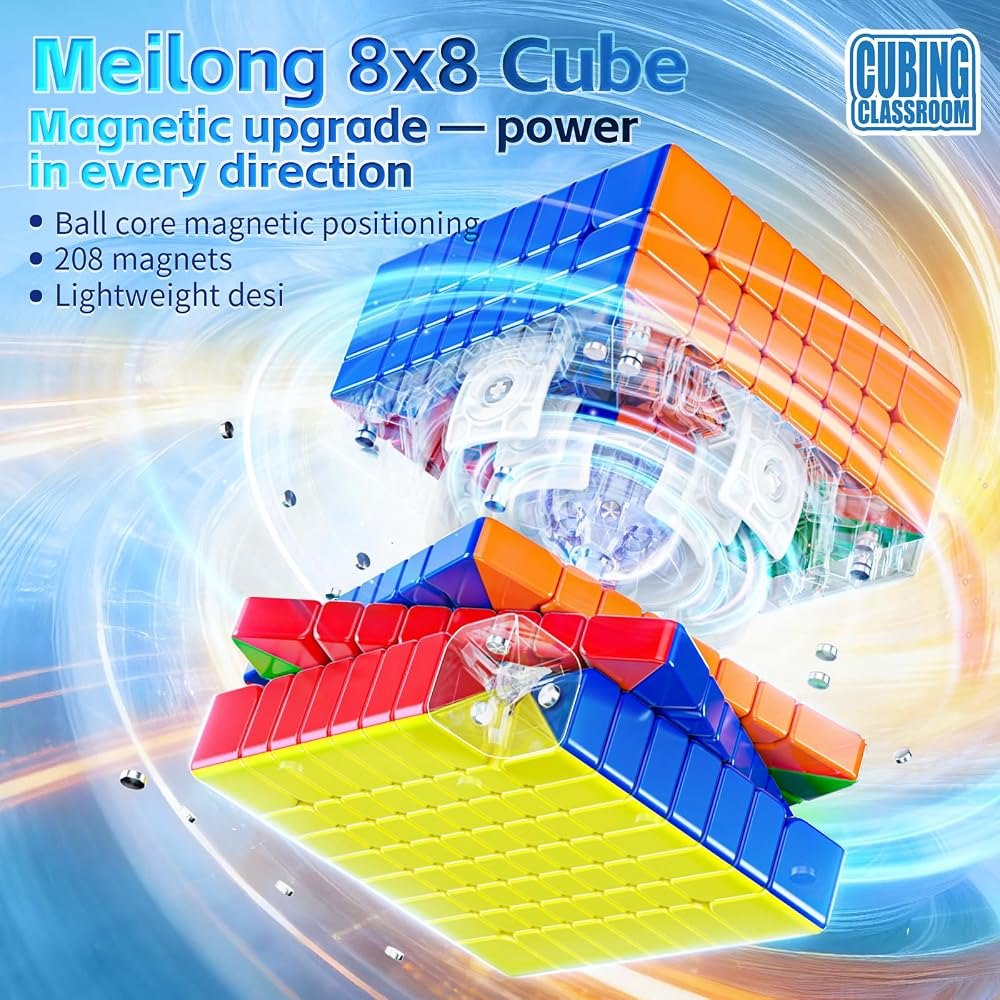
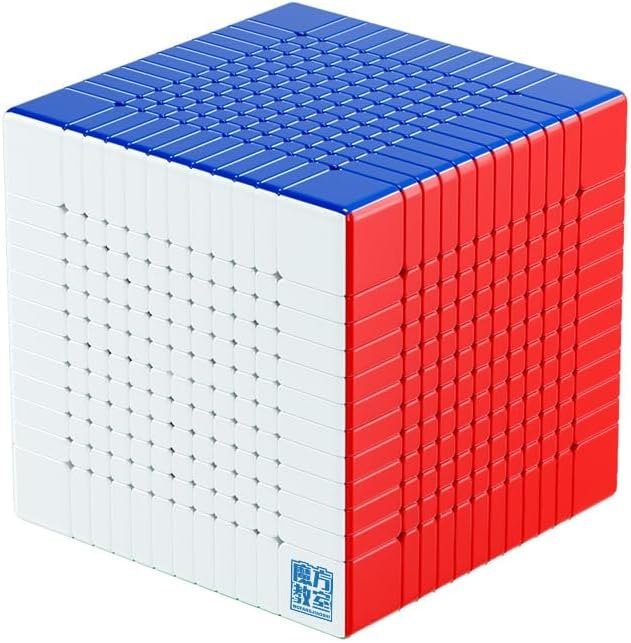
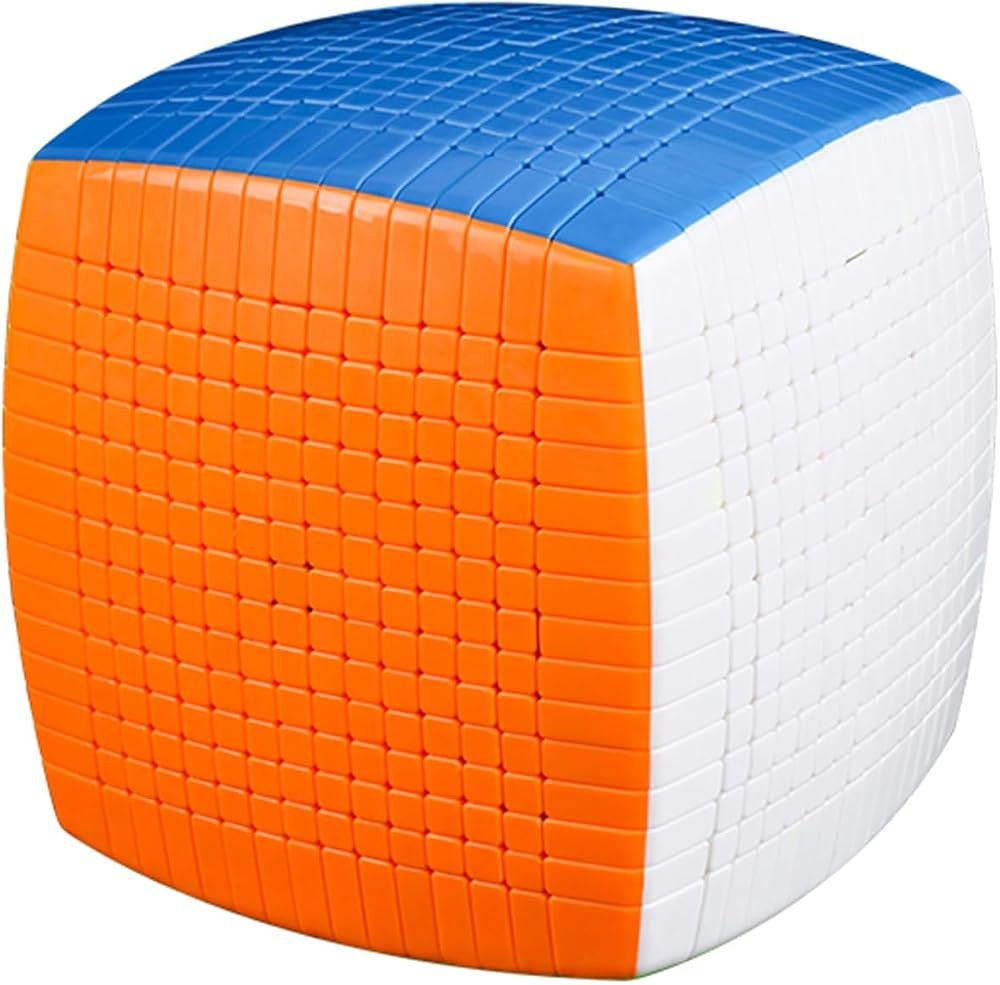
MoYu covers the whole span here, which very few makers do. The MeiLong line runs from 6×6 to 12×12, usually in both a non-magnetic and a magnetic version of the same generation, and the magnet counts get startling at the top — two hundred and fifty-six magnets on a 10×10. AoShi V4 WRM and AoFu V5 are the competition-grade 6×6 and 7×7. The 15×15 at the end of the bench is the largest puzzle MoYu sells and is exactly as serious as its price suggests.
No cube on this bench has that specification. Clear the filter to see them all.
Specifications side by side: 6×6 and Bigger
| Cube | Magnets | MagLev | Core | UV | Tuning | Price |
|---|---|---|---|---|---|---|
| MeiLong 6M V2 6×6 | yes | — | — | — | — | $16.99 |
| MeiLong 7M V2 7×7 | yes | — | — | — | — | $21.99 |
| MeiLong 8×8 V3 | none | — | — | — | — | $27.99 |
| MeiLong 9×9 V3 | none | — | — | — | — | $31.99 |
| AoShi V4 WRM 6×6 | yes | — | — | — | — | $39.99 |
| AoFu V5 7×7 | yes | — | — | — | — | $49.99 |
| MeiLong 10×10 V2 | yes | — | — | — | — | $49.99 |
| MeiLong 8M V3 8×8 | yes | — | — | — | — | $55.99 |
| MeiLong 11×11 V2 | none | — | — | — | — | $56.99 |
| MeiLong 9M 9×9 | 208 | — | ball | — | — | $68.99 |
| MeiLong 10M V2 10×10 | 256 | — | ball | — | — | $69.99 |
| MeiLong 12×12 V3 | none | — | — | — | — | $79.99 |
| MeiLong 12M V3 12×12 | 184 | — | ball | — | — | $99.99 |
| MoYu 15×15 | yes | — | — | — | — | $254.60 |
What to know before your first big cube
Go up one size at a time
The jump people regret is buying a 9×9 as their first big cube. The reduction method scales, but the amount of time you spend in the pure-pairing middle section of a solve scales much faster than the layer count does, and a puzzle that takes forty minutes to solve badly is a puzzle you will not pick up twice. A 6×6 is the right first step — it introduces the inner layers and the oriented centres without the commitment, and the AoShi V4 WRM is good enough that you will not need to replace it when you get quick. 7×7 next. By 8×8 you will know whether this is your hobby.
Magnetic or non-magnetic on a big cube
On a 3×3 this is a question of feel. On a 10×10 it is a question of whether the cube is usable. The more layers a puzzle has, the more surfaces can be fractionally out of alignment at once, and the magnetic versions of the MeiLong big cubes exist because without that help you spend a measurable part of every solve straightening slices by hand. The non-magnetic builds are meaningfully cheaper and are a reasonable way to find out whether you enjoy the format. If you already know you do, buy the magnetic version — the surcharge buys you fewer lock-ups and fewer pops, and on a puzzle this size both of those are what ends a solve.
What MoYu speed cubes are, in one paragraph
MoYu Culture — also known simply as MoYu — is a Chinese factory in Guangzhou that has been making speed cubes since 2008 and is famous among speedcubers for a tremendous release pace few rivals maintain. Cubing Classroom, generally sold as the MeiLong line, is its budget sub-brand; GuoGuan, SenHuan, MoJue and Cong sit alongside it inside the same group.
The flagship WeiLong is the single most notable example: it is the cube cubers reach for in competition, the one most often on the mat when a world record is set, and every upgrade carries real technology — a magnet count you can read off the box, MagLev tension, a ball core, a smoother and faster feel — rather than new artwork. A collection that began with one 3×3 — the puzzle most people still call a Rubik’s cube — now runs from 2×2 to 15×15, through shape puzzles like the Skewb and the Pyraminx, and into gift sets for beginners.
That is why MoYu stays popular with people who solve fast: big cube or small, the innovation sits in the layers where a solver can feel it, the turn stays stable, and the plastic keeps its look.
Real specifications
Layer count, magnet count, core type and coating — read off the listing, not invented.
Live price and stock
Every card shows the current store price and whether the cube is in stock right now.
The whole catalogue
Not a top-ten. Every MoYu cube with a live listing has a profile here.
Written by someone who solves
The benches are sorted by what the puzzle is for, because that is how you shop for one.