
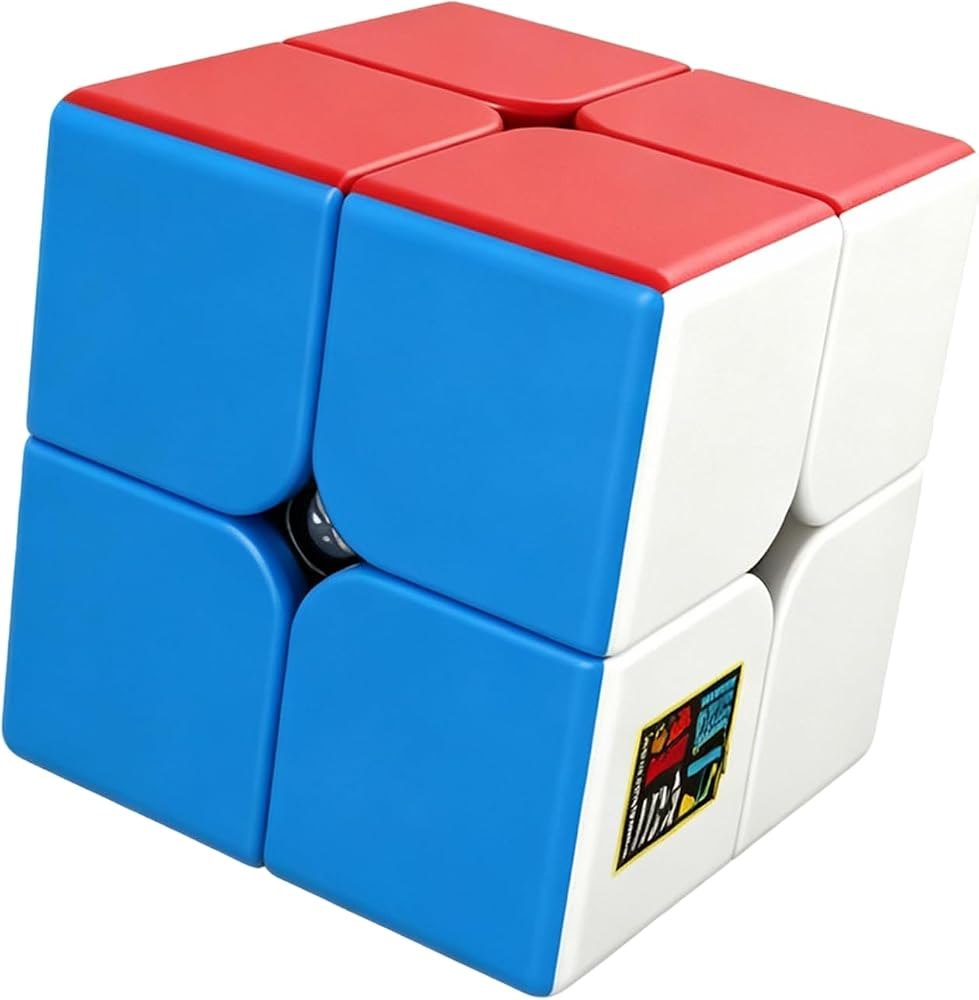
2×2 Cubes4 MoYu speed cubes on this bench
The 2×2 is the event people underestimate and then lose time on. There are no inner layers to misalign and no cross to build, so the puzzle is pure recognition and pure turning speed, and the hardware requirement changes shape completely: what you want is a cube that cuts corners absurdly far and does not lock when you turn faster than you can think. Heavy magnets help less here than they do on a 3×3.
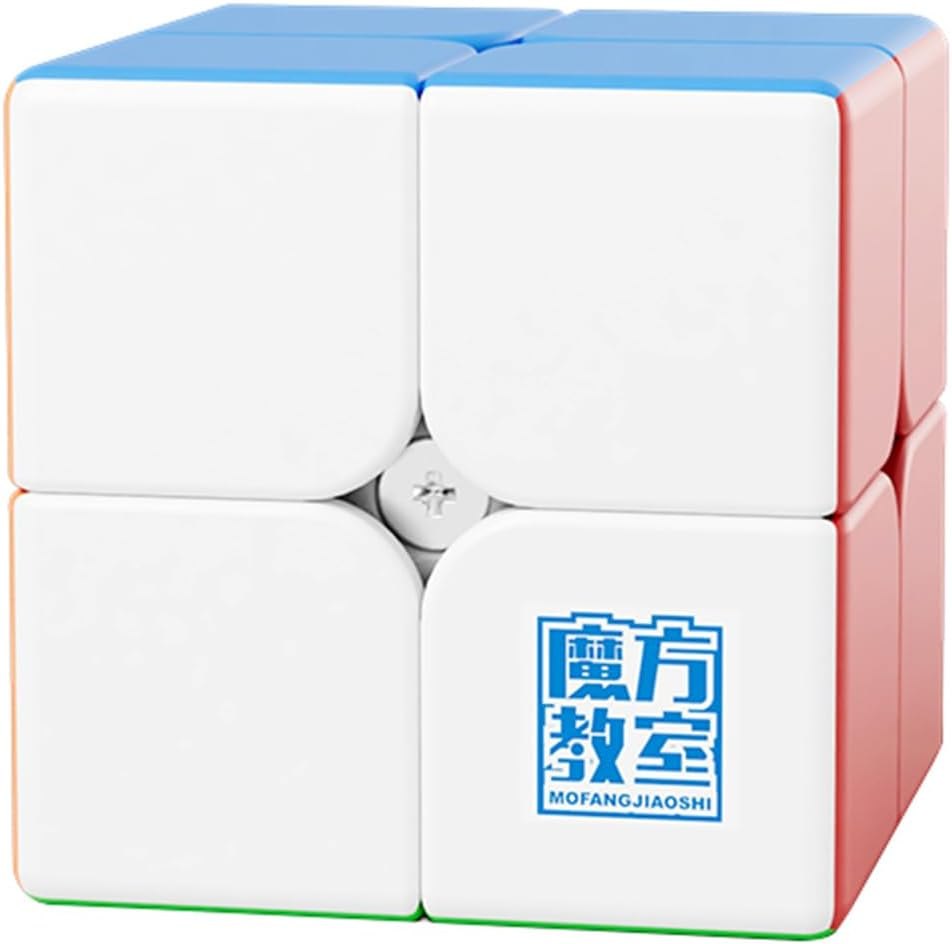
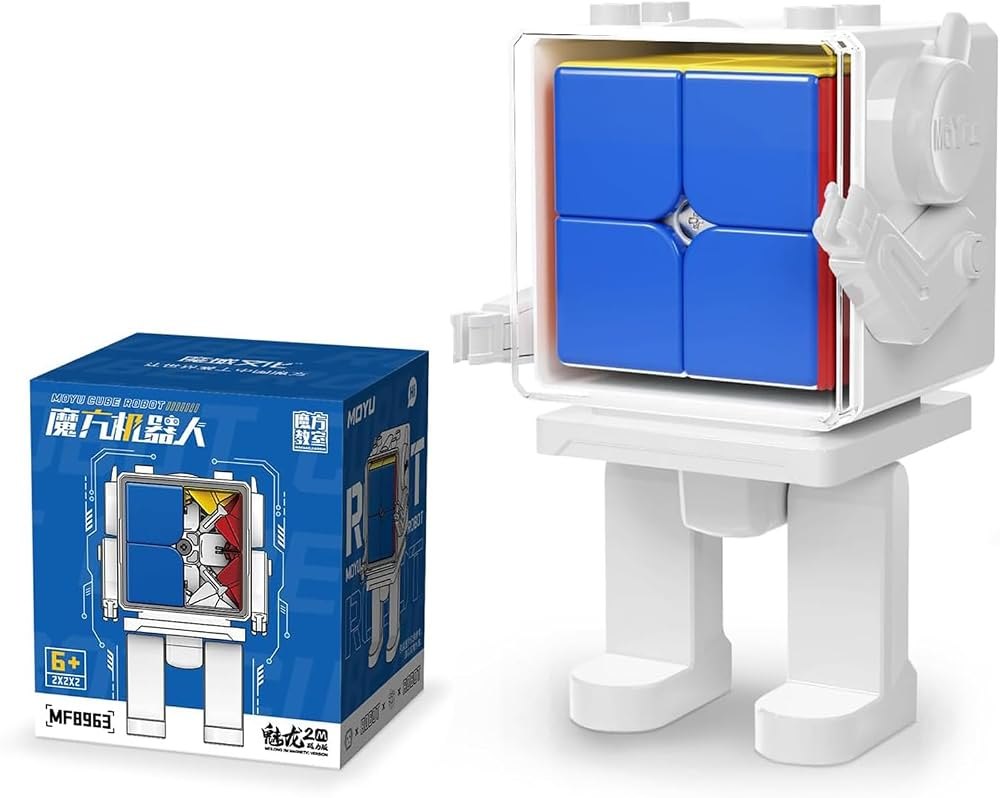
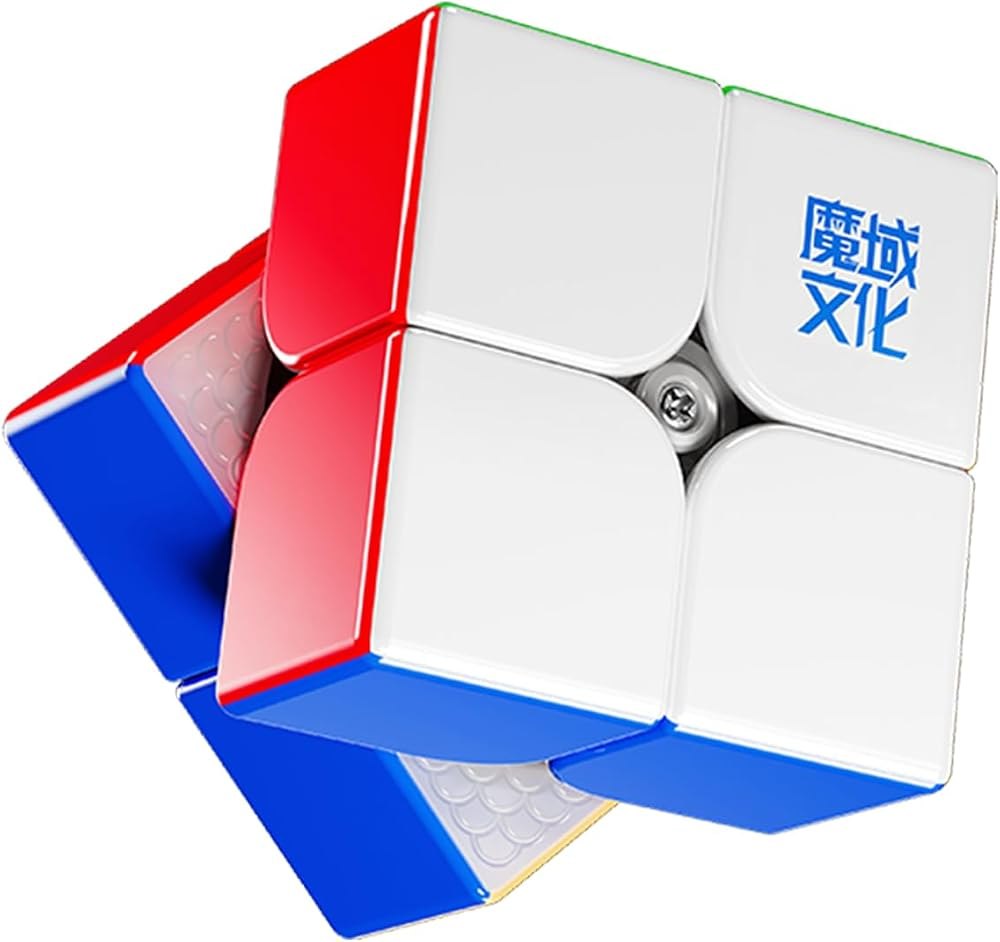
MoYu keeps this bench short and sensible. The non-magnetic MeiLong is the cheapest competent 2×2 in the catalogue and is genuinely fine for learning the puzzle. The MeiLong 2M adds magnets and is the one I would buy by default. The robot display box is the gift version. WeiPo V5 is the flagship — ball-core, UV coated, and priced like the serious piece of equipment it is.
No cube on this bench has that specification. Clear the filter to see them all.
Specifications side by side: 2×2 Cubes
| Cube | Magnets | MagLev | Core | UV | Tuning | Price |
|---|---|---|---|---|---|---|
| MeiLong 2×2 | none | — | — | — | — | $8.90 |
| MeiLong 2M 2×2 | yes | — | — | — | — | $9.99 |
| MeiLong 2M Robot Display Box | yes | — | — | — | — | $12.99 |
| WeiPo V5 2×2 | yes | — | ball | yes | — | $38.99 |
What a 2×2 needs that a 3×3 does not
Corner cutting matters more than snap
On a 2×2 every turn is an outer layer turn, which means every turn can be sloppy and every sloppy turn can lock. A cube that reverse-cuts well lets you push through an imprecise turn instead of stopping to fix it, and on a puzzle where good solves finish in a handful of seconds that recovery is most of your time. This is why the cheap non-magnetic MeiLong is not the embarrassment the equivalent 3×3 would be: the mechanism is doing the important job. Magnets then add consistency on top, which is why the 2M is the sensible default rather than the luxury.
When the flagship is worth it
WeiPo V5 costs several times what the MeiLong 2M does, and the honest case for it is consistency under pressure rather than raw speed. A ball-core 2×2 holds its tension and its magnetic feel identically from the first solve of a session to the hundredth, and the UV coating means the surface you learned the puzzle on is the surface you are still turning a year later. If you compete in 2×2, or if you simply solve one constantly while doing something else, that steadiness is what you are paying for. If 2×2 is your fourth-favourite event, buy the 2M and spend the difference on a 3×3.
What MoYu speed cubes are, in one paragraph
MoYu Culture — also known simply as MoYu — is a Chinese factory in Guangzhou that has been making speed cubes since 2008 and is famous among speedcubers for a tremendous release pace few rivals maintain. Cubing Classroom, generally sold as the MeiLong line, is its budget sub-brand; GuoGuan, SenHuan, MoJue and Cong sit alongside it inside the same group.
The flagship WeiLong is the single most notable example: it is the cube cubers reach for in competition, the one most often on the mat when a world record is set, and every upgrade carries real technology — a magnet count you can read off the box, MagLev tension, a ball core, a smoother and faster feel — rather than new artwork. A collection that began with one 3×3 — the puzzle most people still call a Rubik’s cube — now runs from 2×2 to 15×15, through shape puzzles like the Skewb and the Pyraminx, and into gift sets for beginners.
That is why MoYu stays popular with people who solve fast: big cube or small, the innovation sits in the layers where a solver can feel it, the turn stays stable, and the plastic keeps its look.
Real specifications
Layer count, magnet count, core type and coating — read off the listing, not invented.
Live price and stock
Every card shows the current store price and whether the cube is in stock right now.
The whole catalogue
Not a top-ten. Every MoYu cube with a live listing has a profile here.
Written by someone who solves
The benches are sorted by what the puzzle is for, because that is how you shop for one.